

You probably reach for the same products every day without thinking twice about them. Your bathroom cabinet holds everything you need to stay clean and fresh, right? Well, doctors are raising serious concerns about several popular items that millions of people use regularly. These everyday products might actually be doing more harm than good, and most people have no idea what risks they’re taking. From what you wipe with to what you brush your teeth with, it’s time to take a closer look at what’s really going on in your bathroom.
Wet wipes are causing unexpected skin problems
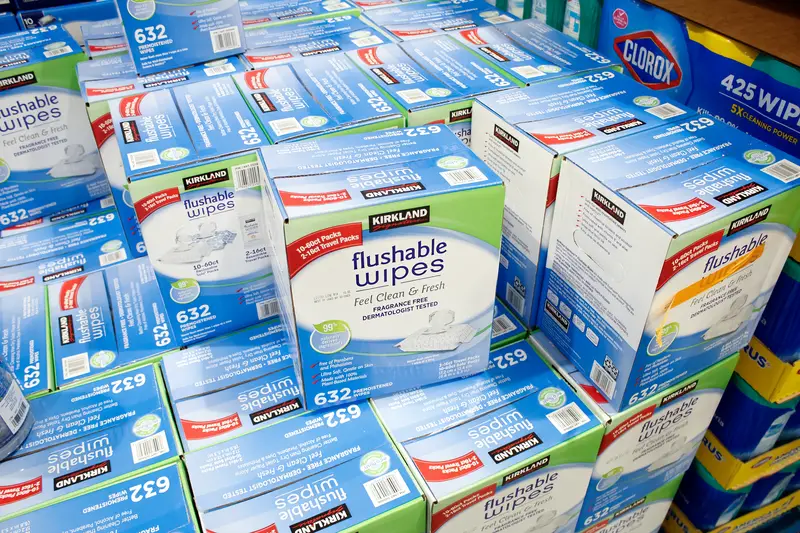
Those convenient, flushable wipes sitting next to your toilet seem like the perfect solution for feeling extra clean after using the bathroom. However, colorectal and gastrointestinal doctors are warning that these popular products can actually cause more problems than they solve. Wet wipes are now recognized as a common cause of perianal dermatitis, which is basically a rash that develops around your bottom. The irritation happens because of certain ingredients and preservatives in the wipes, plus the disruption they cause to good bacteria that naturally live on your skin.
The materials used in wet wipes can be rough and abrasive, especially if you have sensitive skin or existing conditions like hemorrhoids or anal fissures. Most wet wipes contain alcohol or fragrances that irritate the delicate perianal area even more. The excess moisture that stays behind after wiping can promote bacterial or fungal growth, leading to additional irritation and discomfort. Some ingredients to watch out for include parabens, phthalates, phenoxyethanol, and cocamidopropyl betaine. If you really want to keep using wipes, look for ones that are completely alcohol-free and fragrance-free, though this won’t eliminate all potential risks.
Your old toothbrush is losing its effectiveness
When was the last time you replaced your toothbrush? If you can’t remember, you’re not alone. Recent studies show that 75% of people use their toothbrushes way longer than the recommended three months. That worn-out brush sitting in your cup might look fine, but it’s actually lost up to 30% of its cleaning power after the three-month mark. The bristles become frayed and bent, making them unable to properly remove plaque and food particles from your teeth. What’s worse is that bacteria start building up on those old bristles, potentially causing more problems than they prevent.
Think about everything your toothbrush goes through each day. It sits in a moist bathroom environment where bacteria thrive, and every time you brush, food particles and germs accumulate on the bristles. Even if you rinse it thoroughly after each use, microscopic bacteria remain trapped in those bristles. After three to four months of regular use, the combination of wear and bacterial buildup makes your toothbrush less effective at keeping your mouth clean. Set a reminder on your phone or mark your calendar to replace your toothbrush every three months, or sooner if the bristles look worn out.
Dull razor blades cause ten times more irritation
That razor you’ve been using for weeks might be saving you money, but it’s costing you in other ways. Dull razor blades cause ten times more skin irritation compared to sharp ones, according to doctors who specialize in skin health. When a blade gets dull, it doesn’t cut hair cleanly anymore. Instead, it pulls and tugs at each hair, creating tiny tears in your skin and causing redness, bumps, and irritation. The dull edge also requires more pressure to get the same results, which increases your chances of nicks and cuts.
Using the same razor blade for too long also raises your risk of infections. Each time you shave, dead skin cells, bacteria, and product buildup accumulate on the blade. When you use that contaminated blade on your skin, especially if you get any small cuts, you’re introducing bacteria directly into your body. Doctors recommend replacing razor blades after just five to seven uses to avoid skin damage and potential infections. If you’re using disposable razors, this means getting a new one roughly every week. For cartridge razors, switch out the blade when you notice it tugging at your hair instead of gliding smoothly.
Antimicrobial mouthwash disrupts your gut bacteria
Many people swish with antimicrobial mouthwash twice daily, thinking they’re doing something great for their oral health. The problem is that these powerful rinses don’t distinguish between good and bad bacteria. Your mouth contains one of the largest populations of beneficial bacteria in your body, and these microorganisms play a crucial role in maintaining the balance of your entire gut microbiome. When you use antimicrobial mouthwash, it kills off these helpful bacteria along with the harmful ones, disrupting the delicate balance that keeps your digestive system running smoothly.
The connection between oral bacteria and gut health might seem surprising, but it’s incredibly important. The beneficial bacteria in your mouth help with digestion and support your immune system. When antimicrobial mouthwash wipes out these good microorganisms, it can affect your overall digestive health and potentially lead to other problems. If you’re concerned about bad breath or oral hygiene, consider switching to a regular fluoride mouthwash instead, or simply brush and floss more thoroughly. Your mouth and gut will thank you for letting the good bacteria do their job without interference from harsh antimicrobial products.
Cleaning products contain hidden, dangerous chemicals
The sparkling clean bathroom you’re so proud of might actually be filled with invisible dangers. Many common bathroom cleaning products contain hazardous chemicals like formaldehyde, phthalates, and volatile organic compounds. These substances contribute significantly to indoor air pollution, which can lead to respiratory problems, headaches, and other serious concerns. The risk is especially high in bathrooms because they’re usually small, enclosed spaces with limited ventilation. After you finish cleaning, these chemicals don’t just disappear. They linger in the air for extended periods, and you breathe them in every time you use that bathroom.
Formaldehyde, found in some disinfectants and air fresheners, has been classified as a human carcinogen by the National Cancer Institute. Studies of workers exposed to high levels of formaldehyde have shown it can cause certain types of cancer, including myeloid leukemia and rare cancers of the nasal cavity. While the concentrations in household products are lower than industrial exposure levels, using these products regularly in poorly ventilated bathrooms increases your risk. Check product labels for preservatives like quaternium-15, DMDM hydantoin, imidazolidinyl urea, diazolidinyl urea, polyoxymethylene urea, sodium hydroxymethylglycinate, bromopol, and glyoxal, which can all release formaldehyde.
Better alternatives exist for every risky product
The good news is you don’t have to sacrifice cleanliness or hygiene to avoid these problematic products. Instead of wet wipes, doctors recommend using regular unscented toilet paper followed by a quick rinse with a bidet. Bidets have been popular in European countries for decades, and American bathrooms are finally catching on. Brands like Tushy and RinseWorks make bidet attachments that are easy to install on your existing toilet. If you’re not ready to invest in a bidet, a simple squeeze bottle filled with water can give you similar results at a fraction of the cost.
For cleaning products, switch to natural alternatives that work just as well without the dangerous chemicals. White vinegar and baking soda can handle most bathroom cleaning tasks effectively. Mix equal parts white vinegar and water in a spray bottle for a great all-purpose cleaner that cuts through soap scum and grime. Baking soda works as a gentle abrasive for scrubbing tubs, sinks, and toilets without scratching surfaces. These natural options clean thoroughly without releasing harmful fumes or leaving behind dangerous residue. They’re also much cheaper than commercial cleaning products, so you’ll save money while protecting your health.
Reading labels prevents many bathroom product problems
Most people grab bathroom products off the shelf without ever looking at the ingredient list. Taking just a few extra seconds to read labels can help you avoid many of the problems doctors are warning about. Look for products labeled as fragrance-free, alcohol-free, and hypoallergenic when shopping for items that come in direct contact with your skin. For cleaning products, seek out ones specifically marked as non-toxic or made with plant-based ingredients. Many mainstream brands now offer safer alternatives alongside their traditional products, so you don’t necessarily need to shop at specialty stores.
When examining cleaning product labels, watch out for vague terms like “fragrance” or “perfume,” which can hide dozens of unlisted chemicals, including phthalates. Products that list their ingredients clearly and use recognizable components like vinegar, citric acid, or plant-based surfactants are generally safer choices. For personal care items like mouthwash and wipes, avoid anything with long chemical names you can’t pronounce or ingredients known to irritate. If a product makes your skin sting, burn, or feel uncomfortable, stop using it immediately, regardless of what the label claims. Your body’s reaction is telling you something important.
Simple habits protect you from bathroom risks
Beyond choosing better products, adopting a few simple habits can significantly reduce your exposure to bathroom-related risks. Set calendar reminders to replace your toothbrush every three months and your razor blades weekly. Keep track of when you open new personal care products so you know when they’ve been sitting around too long. Store bathroom products in a cool, dry place rather than leaving them in the shower where heat and moisture can break down their components and encourage bacterial growth. After showering, leave the exhaust fan running for at least 20 minutes to remove excess moisture from the air.
Pay attention to how your skin and body respond to different products. If you notice irritation, rashes, or discomfort after using a particular item, switch to something gentler. Don’t assume that expensive products are automatically safer than budget options. Sometimes the most affordable choice is actually the best one for your health. Regular unscented toilet paper, a basic toothbrush replaced frequently, and simple soap and water often work better than fancy alternatives loaded with unnecessary chemicals. Trust your instincts and listen to what your body is telling you about the products you’re using.
Making small changes to your bathroom routine can have a big impact on your overall wellness. Swap out those wet wipes for toilet paper and a bidet rinse, replace your toothbrush and razor blades on schedule, and choose gentler alternatives to harsh antimicrobial products. When cleaning, opt for natural solutions and always ensure proper ventilation. These simple adjustments protect you from unnecessary irritation, infections, and exposure to potentially harmful chemicals while still keeping you clean and fresh every day.

