

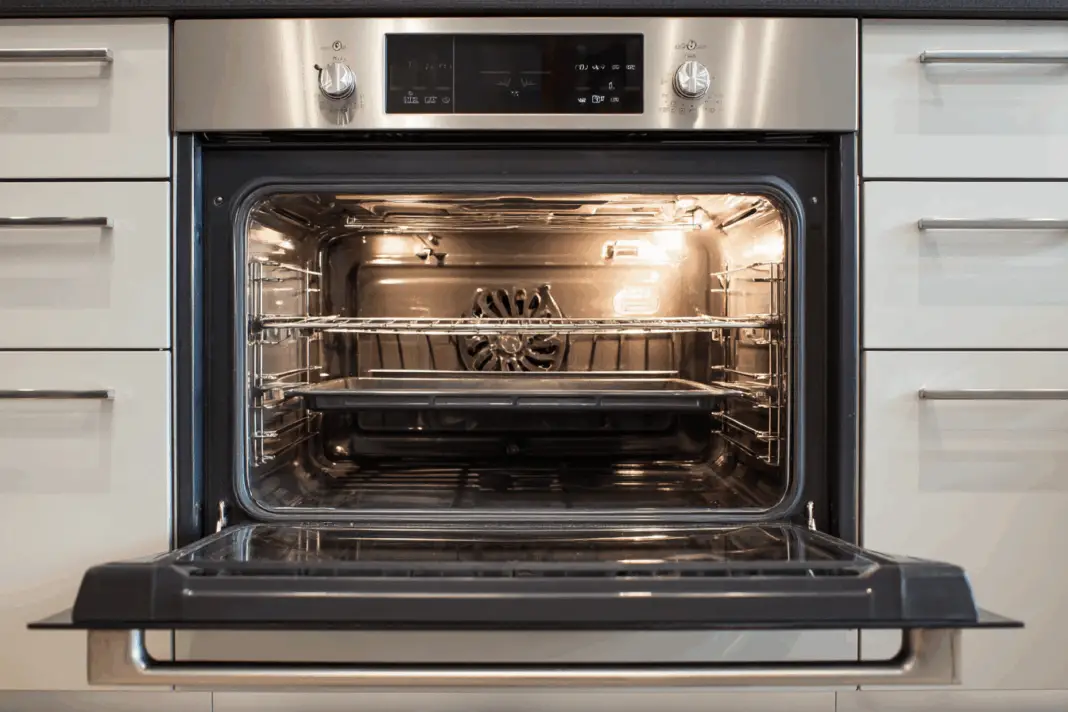
Most people think they know how to use their oven, but chances are good that several habits are quietly sabotaging cooking results and driving up energy bills. From preheating mishaps to cleaning oversights, these seemingly innocent mistakes can turn perfectly good meals into disasters while putting unnecessary wear on one of the kitchen’s hardest-working appliances. Understanding these common pitfalls can transform both cooking outcomes and monthly utility costs in ways that might surprise even experienced home cooks.
Leaving the oven preheating way too long
The phone rings, someone knocks on the door, or a favorite TV show starts, and suddenly that preheated oven has been sitting empty for 20 minutes. This innocent distraction costs real money – leaving an oven at full temperature for just 5 extra minutes daily adds up to over 30 hours of wasted energy per year. That’s enough electricity to power a refrigerator for several days, all because of simple forgetfulness.
Setting a timer on the phone helps track preheating duration, but there’s an even better approach. Food can actually go into the oven while it’s still warming up – just add a few extra minutes to the cooking time. This method saves energy and often produces better results, as the gradual temperature increase can be gentler on delicate items. Most modern ovens take 10-15 minutes to reach target temperature, so timing meal prep accordingly eliminates the wasteful waiting period entirely.
Ignoring oven cleaning until it’s absolutely disgusting
That browning splatter on the oven walls isn’t just unsightly – it’s actively making food taste worse while creating safety hazards. Burned-on grease produces smoke and unpleasant odors that transfer to whatever’s cooking, essentially seasoning tonight’s dinner with last month’s mistakes. Even worse, accumulated grease can catch fire, turning a simple meal preparation into an emergency situation that requires calling the fire department.
Regular cleaning prevents these problems and actually makes the job easier over time. Fresh spills wipe away with minimal effort, while months-old buildup requires harsh chemicals and serious scrubbing. Weekly wipe-downs with a damp cloth keep most ovens in good condition, while monthly deeper cleaning handles tougher spots. For ovens with self-cleaning features, using this function once or twice yearly helps maintain cleanliness without the excessive strain that comes from overuse.
Using the same temperature setting for everything
Sticking to 350°F for every recipe might seem simple, but this one-size-fits-all approach ruins more dishes than most people realize. Different foods need different heat levels to cook properly – cookies might turn out tough and dry, while roasts remain undercooked in the center. Pizza needs high heat for crispy crusts, delicate fish requires gentle temperatures, and vegetables roast best at moderate settings with proper air circulation.
Modern ovens offer multiple settings beyond basic bake mode, including convection, broil, and specialized options for specific foods. Convection cooking circulates air for faster, more even results, while broiling provides intense top heat for browning and crisping. Taking time to match the cooking method to the food type produces dramatically better results. Recipe temperatures exist for good reasons, and following them closely makes the difference between mediocre meals and restaurant-quality dishes at home.
Cramming too much food onto the racks
Trying to cook an entire dinner party’s worth of food at once seems efficient, but overcrowded ovens produce disappointing results across the board. Hot air needs space to circulate around food for even cooking, and packed racks block this airflow completely. The result is unevenly cooked dishes with some parts overdone while others remain raw, plus significantly longer cooking times that throw off meal timing.
Overloading also increases fire risk, especially when items are placed too close to heating elements or when grease drips become more likely. Professional chefs cook in batches for good reason – it produces consistent results and reduces stress. Planning cooking times in stages allows each dish to get proper heat circulation while keeping finished items warm on the stovetop. This approach takes slightly more time but produces far better results than trying to cram everything together.
Spraying cleaner directly on control knobs and displays
Those greasy fingerprints on oven controls look terrible, but spraying cleaner directly onto knobs and digital displays can destroy the appliance’s electronics permanently. Liquid seeps behind switches and into circuit boards, causing expensive control panel failures that often cost more to repair than buying a new oven. This mistake happens frequently during enthusiastic cleaning sessions when people want to make everything sparkle.
The safe approach involves spraying cleaner onto a cloth first, then wiping controls carefully to avoid liquid penetration. Microfiber cloths work especially well for removing grease without scratching delicate surfaces. For stubborn buildup, slightly damp cloths with gentle dish soap clean effectively without risking electronic damage. Taking this extra precaution during cleaning protects a major appliance investment while still achieving the desired cleanliness. Control panels are expensive to replace, making this simple precautionary step well worth the minimal extra effort.
Lining the bottom with aluminum foil
Putting foil on the oven floor seems like smart cleanup prevention, but this trick actually creates serious problems that can damage the appliance permanently. Foil blocks proper airflow patterns that ovens need for even heating, causing hot spots and temperature irregularities that ruin food. Even worse, foil can interfere with heating elements, causing them to overheat and fail prematurely, leading to expensive repairs.
Some ovens require recalibration after foil interferes with their temperature sensors, adding professional service costs to what seemed like a money-saving measure. Instead of relying on foil, regular cleaning prevents mess buildup without risking appliance damage. Placing a baking sheet on a lower rack catches drips effectively without blocking airflow or interfering with heating elements. This approach provides the cleanup benefits without the mechanical risks that foil creates.
Treating the oven door like a storage shelf
Using the oven door as a temporary resting place for hot pots and heavy dishes puts tremendous stress on glass that wasn’t designed for this purpose. Each instance creates tiny stress fractures that accumulate over time, eventually causing the entire door to shatter unexpectedly during normal use. This dangerous situation creates sharp glass fragments throughout the kitchen and renders the oven unusable until expensive repairs are completed.
Aggressive scrubbing during cleaning also contributes to glass weakening, especially when people use abrasive materials to remove stubborn stains. Slamming the door when hands are full creates additional stress points that compound the problem. Treating oven doors gently extends their lifespan significantly while preventing dangerous failures. Using proper trivets and cooling racks for hot items protects both the door and surrounding counters. Gentle cleaning with soft materials maintains visibility without creating structural weaknesses in the glass.
Overusing the self-cleaning function
Self-cleaning cycles seem like the perfect solution for oven maintenance, but using this feature too frequently puts enormous strain on the appliance’s components. The process heats ovens to 500-600°F for several hours, creating thermal stress that can cause premature wear on heating elements, door seals, and electronic controls. Running self-clean cycles monthly or even weekly significantly shortens oven lifespan while driving up energy costs.
This feature works best as an occasional deep-cleaning tool rather than regular maintenance, ideally used only once or twice yearly on moderately soiled ovens. Heavily soiled ovens can produce excessive smoke during self-cleaning, potentially triggering fire alarms or creating actual fire hazards. Regular manual cleaning prevents the buildup that makes self-cleaning necessary while reducing wear on oven components. When self-cleaning is needed, removing racks first prevents them from discoloring and becoming difficult to slide. This balanced approach maintains cleanliness without excessive appliance stress.
Forgetting about the racks during self-cleaning cycles
Leaving racks inside during self-cleaning cycles seems logical – why not clean everything at once? Unfortunately, the extreme temperatures cause metal racks to discolor permanently and become difficult to slide in and out of their tracks. The high heat can also warp rack shapes slightly, making them fit poorly and wobble when loaded with food. These problems persist long after the cleaning cycle ends, making daily oven use more frustrating.
Removing racks before self-cleaning and washing them separately produces much better results with less appliance wear. Soaking racks in hot water with dishwasher detergent loosens buildup effectively, while a bathtub provides enough space for easy cleaning. After soaking for a couple hours, stiff brushes remove stubborn spots without damaging the metal finish. This manual approach keeps racks looking new and functioning smoothly while protecting them from the extreme temperatures that cause permanent damage during self-cleaning cycles.
Avoiding these common oven mistakes transforms both cooking results and appliance longevity while reducing energy costs and safety risks. Simple changes like proper preheating timing, regular cleaning, and gentler treatment add up to significant improvements in daily cooking experiences. Taking a few minutes to understand how ovens work best pays dividends in better food, lower bills, and fewer repair headaches for years to come.

