

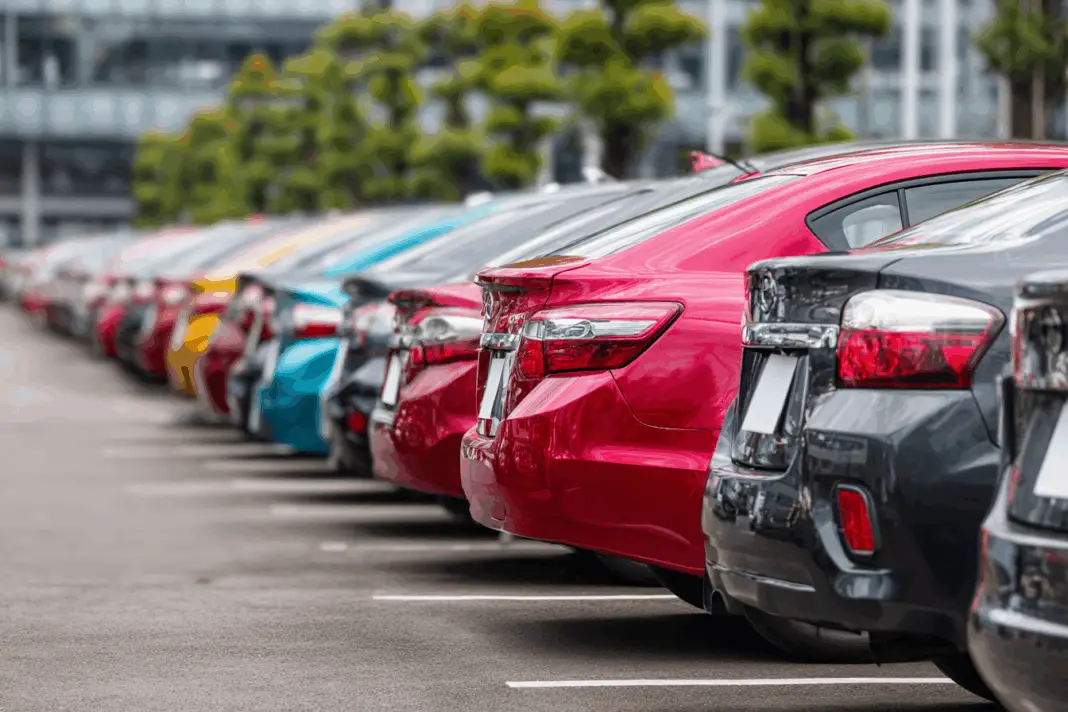
Retirement brings freedom from work schedules and office politics, but it also brings tough decisions about spending. When car shopping becomes necessary, many retirees make expensive mistakes that can seriously damage their financial security. Some vehicles look appealing on the surface but hide costly problems that drain savings accounts faster than anyone expects. Understanding which cars to avoid can save thousands of dollars and prevent countless headaches during what should be peaceful golden years.
Tesla Model 3 confuses drivers with constantly changing controls
The Tesla Model 3’s minimalist interior design creates serious usability problems for older drivers who need intuitive, accessible controls. Simple functions like adjusting air vents or changing radio volume require navigating complex touchscreen menus, forcing drivers to take their eyes off the road for tasks that should be handled through muscle memory. This digital-first approach feels completely alien to people accustomed to decades of physical buttons and knobs that work consistently.
The learning curve becomes even steeper when Tesla pushes over-the-air updates that completely reorganize the interface overnight. Menu layouts that drivers have finally learned suddenly change without warning, forcing them to relearn basic functions repeatedly. Emergency situations become more dangerous when critical controls are buried deep in touchscreen menus. The regenerative braking system and one-pedal driving mode eliminate familiar coasting sensations, requiring adaptation that some older drivers find difficult and uncomfortable.
Chevrolet Camaro production ended creating parts shortages
Chevrolet ended Camaro production in January 2024, creating immediate concerns about parts availability that will worsen significantly over time. General Motors has shifted focus toward electric vehicles, meaning support for the Camaro will gradually disappear as the company moves away from traditional sports cars. This creates a ticking time bomb for owners who may find themselves unable to source replacement parts for routine maintenance and unexpected repairs.
The fundamental design creates multiple accessibility problems for older drivers who need easy entry and exit. Low seating positions require significant bending and contorting that can strain aging joints and backs with every use. Poor visibility and notoriously difficult sightlines make parking and maneuvering challenging, particularly for drivers with reduced mobility. The two-door design makes passenger transportation impossible, limiting usefulness for retirees who help grandchildren or elderly friends with rides.
Jeep Wrangler Unlimited prioritizes ruggedness over comfort completely
The Jeep Wrangler Unlimited’s legendary off-road capability comes at the expense of on-road comfort and fuel economy that can devastate retirement budgets. The Rubicon 392 variant achieves only 13 MPG according to testing, translating to massive fuel costs that hit fixed incomes particularly hard. High step-in height and heavy doors create accessibility challenges for aging bodies, while running boards still leave substantial gaps that require significant effort to navigate safely.
Wind and tire noise create constantly loud cabin environments that interfere with hearing and conversation during drives. The ride feels jarring on anything except smooth pavement, transmitting every bump directly to passengers in ways that become tiring and uncomfortable for older drivers running daily errands. Complex four-wheel-drive systems and specialized off-road components require specific expertise and expensive parts for maintenance, limiting repair options and increasing costs significantly over time.
Ford Mustang design ignores senior accessibility needs
The Ford Mustang’s sports car design creates immediate and obvious accessibility problems for most retirees who need practical transportation. Low seating positions require extensive bending and crouching that strains aging joints, particularly knees and hips that may already cause daily discomfort. Getting inside means lowering deep into the cabin, while exiting requires pushing up and out with significant physical effort that becomes more difficult over time.
The low roofline severely limits visibility and creates dangerous blind spots that pose particular problems for older drivers who may have slower reaction times. Long hoods and low seating make judging distances nearly impossible when parking, creating hazardous situations in crowded parking lots. Two-door design eliminates practical rear seating completely, making passenger transportation impossible for retirees who help grandchildren or friends with rides around town or to appointments.
BMW X6 M costs more than most houses
The BMW X6 M might look impressive in dealer showrooms, but the price tag extends far beyond the initial purchase. This high-performance SUV demands approximately $20,496 in maintenance and repairs during the first decade of ownership. That staggering amount exceeds $8,000 more than average vehicle costs, creating a financial burden that can devastate retirement budgets. Insurance premiums add another painful layer, reaching as high as $3,578 annually for coverage.
The financial pain intensifies over time as repair costs climb steadily each year. By the fifth year, owners face nearly $1,900 in annual repair expenses, which balloons to over $3,000 by year ten. The twin-turbocharged V8 engine requires specialized BMW technicians for proper maintenance, eliminating cheaper independent repair options. The coupe-like design also creates accessibility challenges for aging bodies, making simple tasks like getting in and out unnecessarily difficult and potentially dangerous.
Fisker Ocean becomes expensive paperweight overnight
Buying a Fisker Ocean today means purchasing a vehicle with zero future support or service availability. The company filed for bankruptcy in June 2024, leaving owners completely stranded without official parts, service, or warranty coverage. No authorized dealers remain operational to handle even basic repairs, and the parts supply chain has completely disappeared from the marketplace. This situation creates an impossible scenario where even minor problems become permanent issues.
The investment becomes worthless the moment ownership begins, as resale values have crashed completely. Insurance companies now declare these vehicles total losses for even minor damage because replacement parts simply don’t exist. Software problems could disable the entire vehicle tomorrow with no possible repair solutions available. Smart buyers understand that no warranty claims will be honored, making any purchase a complete gamble with retirement savings that cannot afford to be lost.
Volkswagen Atlas brings electrical nightmares daily
The Volkswagen Atlas presents serious reliability concerns that should alarm any retiree considering this SUV. The 2018 model year earned an absolutely dismal 1 out of 5 reliability rating from Consumer Reports, indicating widespread problems that owners face regularly. Class-action lawsuits and federal safety complaints highlight dangerous electrical issues affecting critical safety systems, including brake malfunctions and airbag deployment failures during crashes.
The massive size creates practical problems for seniors who may struggle with parking in tight spaces or navigating crowded areas. At over 200 inches long, the Atlas requires confident handling skills that may become challenging as reflexes slow with age. Complex electrical systems mean diagnostic work requires expensive specialized equipment that most independent repair shops don’t possess, forcing owners to rely on Volkswagen dealers who charge premium rates for service and repairs.
Land Rover Discovery Sport breaks down without warning
Land Rover’s luxury reputation cannot hide the Discovery Sport’s terrible reliability record that has plagued owners since 2018. Consumer Reports expects the 2025 model to perform worse than other new vehicles based on the brand’s consistent history of mechanical failures. The most frequent and expensive problem involves turbocharger failures on the Ingenium 2.0L engine, which can occur suddenly and without adequate warning signs for drivers.
Turbocharger replacement costs range between $3,695 and $3,952, with potential engine rebuilds pushing expenses even higher when damage spreads. The cooling system presents another major failure point that can result in complete engine destruction if problems aren’t caught immediately. These failures happen unpredictably, meaning vehicles might run perfectly for months before suddenly requiring weeks of expensive shop time and specialized repairs that strain retirement budgets severely.
Lincoln Nautilus drops value while engines fail frequently
Lincoln markets the Nautilus as a luxury SUV, but this vehicle represents a terrible investment for retirees seeking reliable transportation. The Nautilus suffers from engine noise problems and frequent engine-related failures that create expensive repair bills. These mechanical issues combine with rapid depreciation to create a double financial hit that damages retirement budgets from multiple angles simultaneously.
Buyers pay luxury prices upfront, then watch their investment disappear rapidly while dealing with mounting repair costs that strain fixed incomes. The combination of unreliable mechanical systems and poor resale values makes the Nautilus particularly unsuitable for retirees who need dependable transportation without ongoing financial surprises. Lincoln’s luxury positioning cannot justify the poor reliability record that leaves owners frustrated with expensive repairs and worthless trade-in values when replacement time arrives.
Smart retirement car shopping means avoiding vehicles that drain savings accounts through hidden costs, poor reliability, or accessibility challenges that make daily driving stressful instead of enjoyable. The cars listed above share common problems that particularly impact retirees: expensive maintenance, complex technology, poor comfort, and reliability issues that create ongoing financial stress. Choosing wisely means prioritizing dependability, comfort, and reasonable operating costs over flashy features that ultimately cause more problems than they solve.

