

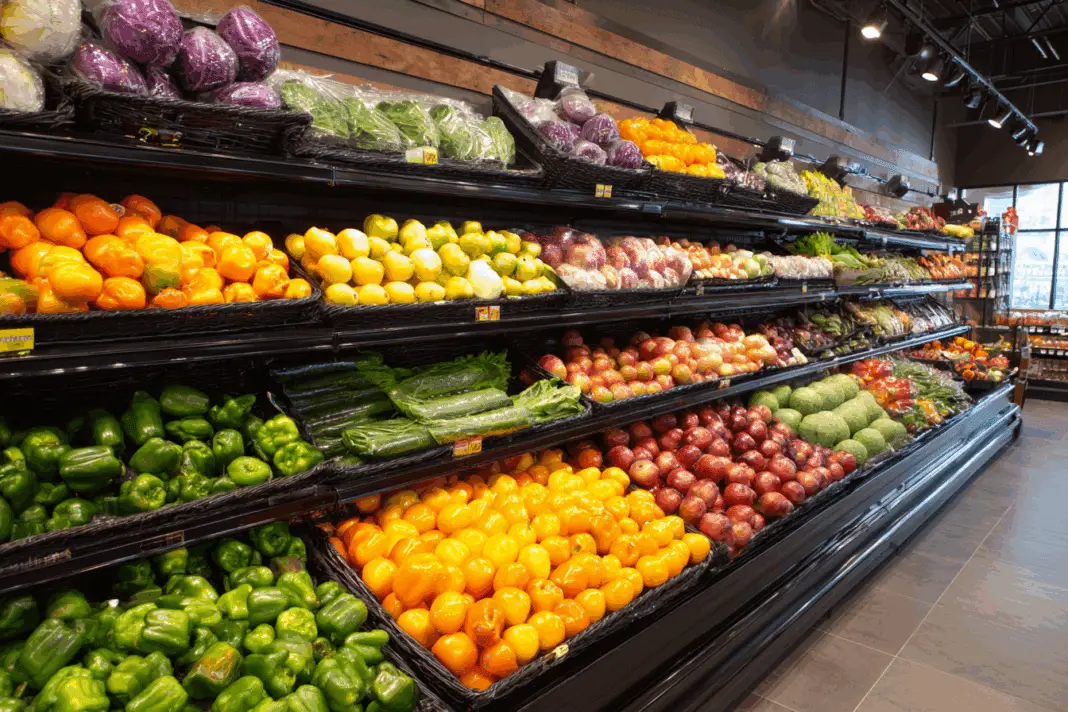
Walking into the wrong grocery store can turn a simple shopping trip into a nightmare of long lines, wilted produce, and sky-high prices. A massive new study analyzed over 7 million Google reviews from 3,000 grocery stores across America to reveal which chains consistently disappoint customers. The results might shock regular shoppers who’ve been loyal to certain brands for years, especially when it comes to fresh produce quality and overall customer satisfaction.
King Soopers tops the worst grocery chain list
King Soopers, a Rocky Mountain chain primarily serving Colorado and Wyoming, earned the dubious distinction of America’s worst grocery chain with an average rating of just 3.84 stars. This Kroger-owned brand consistently frustrates customers with poor service, long checkout lines, and subpar produce quality. Denver shoppers know this pain all too well, as six of the nation’s 50 worst-rated grocery stores are located in the Mile High City.
The problems at King Soopers extend beyond just occasional bad days. Customers regularly complain about understaffing issues that create bottlenecks at checkout, while produce sections often feature wilted vegetables and overpriced items. Denver has the highest frequency of negative customer service reviews among all major American cities, with King Soopers locations contributing significantly to this unfortunate statistic.
Walmart’s massive footprint includes major disappointments
Despite its popularity and low prices, Walmart ranks as America’s second-worst major grocery chain with an average rating of 3.95 stars across 525 analyzed locations. The retail giant’s grocery sections consistently receive criticism for poor produce quality, with many customers reporting wilted lettuce, bruised apples, and vegetables that spoil within days of purchase. Twenty-two of the nation’s 50 worst-rated grocery stores belong to Walmart.
The trade-off for Walmart’s famously low prices often comes at the expense of quality and customer experience. Long checkout lines, understaffed departments, and inconsistent store cleanliness plague many locations. Six out of ten of the worst individual grocery stores across the country are Walmart locations, highlighting systemic issues that affect the shopping experience regardless of the specific store visited.
Kroger’s widespread problems affect millions of shoppers
Kroger, one of America’s largest grocery chains, ties for third place among the worst-rated chains with an average of 3.97 stars. This massive grocery conglomerate owns numerous subsidiary brands, including the aforementioned King Soopers, which helps explain the consistent pattern of customer dissatisfaction. Kroger locations frequently struggle with long lines, poor customer service, and produce quality issues that frustrate regular shoppers.
The company’s widespread reach means these problems affect millions of Americans who rely on Kroger-owned stores for their weekly shopping. From Columbus, Ohio to Irving, Texas, Kroger locations consistently appear among the worst-rated individual stores in their respective cities. The chain’s struggles with staffing and customer service create ripple effects that impact everything from checkout speed to produce freshness.
Safeway disappoints with overpriced mediocrity
Safeway rounds out the bottom tier of major grocery chains with consistently poor ratings across multiple categories. The chain struggles particularly with pricing complaints, as customers frequently cite “expensive” and “overpriced” items in their reviews. One Safeway location in Washington, DC actually earned the title of worst individual grocery store in America, demonstrating how severe the chain’s problems have become in certain markets.
Beyond pricing issues, Safeway locations often suffer from the same staffing and service problems plaguing other low-rated chains. Three Safeway locations appear among the ten worst grocery stores nationwide, with customer complaints focusing on long wait times, unprofessional staff behavior, and poor produce quality that doesn’t justify the premium prices.
Regional chains show mixed performance results
Several regional grocery chains also struggle with customer satisfaction, including Giant Eagle, ACME, and Piggly Wiggly. Giant Eagle Supermarket in Pittsburgh actually ranked as the worst individual grocery store in one analysis, while ACME and Piggly Wiggly consistently receive below-average ratings in their respective markets. These regional players often lack the resources to compete effectively with better-managed chains.
However, not all regional chains perform poorly. Some smaller chains manage to provide better customer experiences than their larger competitors by focusing on local preferences and maintaining better staff-to-customer ratios. The key difference often lies in management philosophy and willingness to invest in staff training and store maintenance. Regional chains that prioritize customer service over pure profit margins tend to perform significantly better in customer satisfaction surveys.
Trader Joe’s dominates the best grocery chain rankings
While many chains struggle with customer satisfaction, Trader Joe’s stands as the clear winner with an impressive 4.65 average star rating. The popular chain appears in 33 of the top 50 best-rated individual grocery stores across America, demonstrating remarkable consistency in customer experience. Trader Joe’s success stems from its unique product selection, friendly staff, and efficient store layouts that minimize common shopping frustrations.
The contrast between Trader Joe’s and the worst-performing chains is striking. While problem stores struggle with understaffing and poor service, Trader Joe’s maintains well-trained employees who create positive shopping experiences. Nine out of ten of the best individual grocery stores nationwide are Trader Joe’s locations, proving that excellent customer service is achievable even under similar economic pressures faced by struggling competitors.
Costco and Publix excel in customer satisfaction
Costco ties for second place among the best grocery chains with a 4.60 average rating, followed closely by Publix at 4.51 stars. These chains succeed by focusing on different strengths – Costco offers bulk buying opportunities and excellent value for families, while Publix emphasizes customer service and store cleanliness in southeastern markets. Both chains demonstrate that success comes from understanding and meeting specific customer needs.
The success of these top-performing chains provides a clear roadmap for improvement that struggling retailers seem unable or unwilling to follow. Costco’s membership model creates accountability and investment in customer satisfaction, while Publix’s regional focus allows for better local market understanding. These successful chains prove that customers will reward grocery stores that prioritize quality, service, and value over pure cost-cutting measures.
Location matters more than chain name sometimes
Interestingly, the study reveals that individual store management can significantly impact customer experience regardless of chain affiliation. Some cities consistently produce better grocery shopping experiences across all chains, while others struggle with systemic issues. Corpus Christi, Texas, and Chula Vista, California rank among cities with the highest average grocery store ratings, while Denver and Aurora, Colorado consistently disappoint.
This geographic variation suggests that local management, regional corporate oversight, and community factors all play crucial roles in grocery store success. Irving, Texas particularly stands out for having multiple stores among the nation’s worst performers, including locations from different chains. Irving has the highest frequency of negative reviews about long lines, indicating city-wide challenges that transcend individual grocery chain policies and procedures.
These customer review rankings reveal that grocery shopping quality varies dramatically across America, with some chains consistently failing to meet basic customer expectations while others excel. Smart shoppers can use this information to make better choices about where to spend their grocery dollars, potentially saving time, money, and frustration by avoiding the consistently worst-performing chains and locations in their area.

