

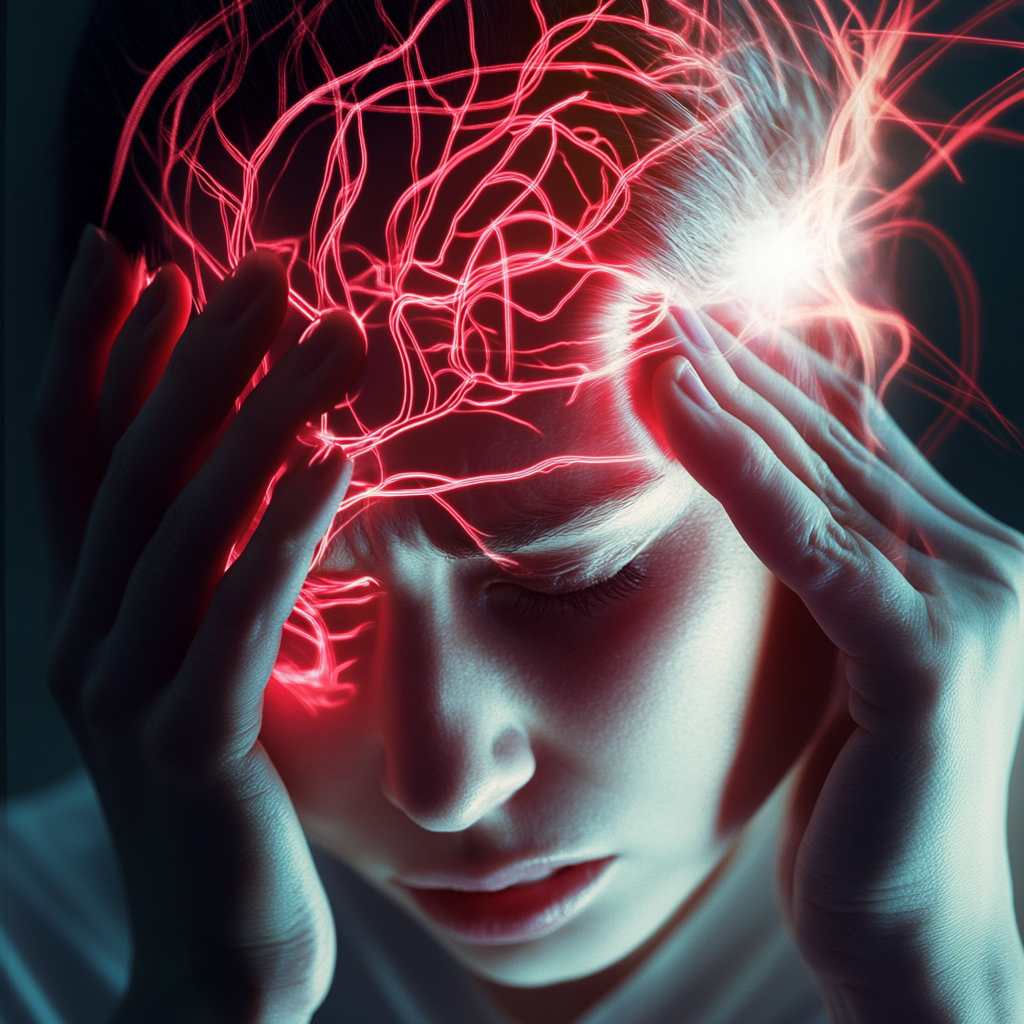
Here’s a fact that might surprise you: more than 40% of adults with high blood pressure don’t even know they have it. That’s nearly half of all people walking around with a ticking time bomb in their arteries. The reason is simple but scary. High blood pressure rarely announces itself with obvious symptoms. It works quietly in the background, damaging blood vessels and straining the heart for years before anything feels wrong. This is exactly why doctors call it the “silent killer.” But your body does send signals sometimes. They’re just easy to miss or blame on something else.
Morning headaches might be more than just stress
Waking up with a dull, throbbing headache at the back of your skull? Most people reach for coffee and assume they slept badly. But persistent early-morning headaches can actually signal that your blood pressure is climbing too high during the night. These headaches tend to feel different from tension headaches or migraines. They sit low on the head, near the base of the skull, and often fade as the day goes on. If this sounds familiar, it might be time to pay closer attention to your numbers.
The connection makes sense when you think about it. While you sleep, your blood pressure naturally dips. But in people with hypertension, that nighttime drop doesn’t happen like it should. The pressure stays elevated, and by morning, the strain shows up as a headache. These headaches are especially common when blood pressure rises rapidly or reaches severe levels. Keeping a simple log of when headaches happen can help your doctor spot patterns.
Feeling dizzy or lightheaded happens for a reason
That woozy feeling when you stand up too fast? It’s easy to brush off. But dizziness that keeps coming back could mean your brain isn’t getting steady blood flow. High blood pressure can mess with the way blood moves through your body. When arteries are under constant strain, they become less flexible. This makes it harder for your body to adjust blood flow smoothly. The result is that lightheaded sensation that makes you grab onto furniture for support.
What makes this tricky is that dizziness has a hundred possible causes. Dehydration, getting up too quickly, even skipping lunch can make you feel off-balance. But when dizziness becomes a regular visitor, it deserves attention. According to health experts, reduced blood flow to the brain is one way high blood pressure quietly affects your daily life. Don’t assume age or stress explains everything. Sometimes your body is trying to tell you something important.
Blurry vision can signal blood vessel damage
Eyes are fascinating little windows into your overall health. The tiny blood vessels inside your eyes are some of the most delicate in your entire body. When blood pressure stays high over time, these vessels take a beating. The damage can cause blurred vision, double vision, or even complete vision loss in severe cases. What’s really interesting is that eye doctors can sometimes spot high blood pressure during routine exams before any other test catches it.
This condition is called hypertensive retinopathy, though you don’t need to remember that name. What matters is understanding that your eyes can reveal uncontrolled hypertension before you notice other symptoms. If you’ve been squinting at road signs lately or struggling to read small print that used to be clear, mention it to your doctor. Regular eye exams aren’t just about updating your glasses prescription. They’re a sneaky good way to check on your cardiovascular health too.
A pounding sensation in your chest or ears
Ever notice your heartbeat pounding in your ears when you’re stressed? Occasional awareness of your pulse is normal. But feeling a constant thumping in your ears, neck, or chest is different. This sensation can happen when blood is pushing harder than usual against your artery walls. It’s like the difference between a gentle stream and a fire hose. You don’t usually notice water flowing through pipes, but turn up the pressure and suddenly you hear every rush.
This symptom tends to show up alongside other warning signs. If you’re also experiencing headaches, shortness of breath, or dizziness, that pounding sensation becomes more significant. Some people describe it as hearing their heartbeat while lying in bed at night. Others feel it during moments of stress or physical effort. Your body is quite literally telling you that something is off. Paying attention to these signals can help catch problems before they become serious.
Getting winded easily during normal activities
Remember when climbing stairs didn’t leave you gasping? Shortness of breath during everyday activities can sneak up gradually. High blood pressure forces your heart to work overtime. Think of it like running a marathon every single day without rest. Eventually, even a heart in good shape starts to struggle under that constant workload. The result is getting breathless during activities that used to feel effortless. Walking to the mailbox shouldn’t feel like a workout.
This symptom often gets blamed on aging, weight gain, or being out of shape. And sure, those factors can contribute. But unexplained breathlessness deserves a closer look. Extra pressure in blood vessels forces the heart to pump harder just to move blood through your system. Over time, this extra effort takes a toll. If you find yourself pausing mid-task to catch your breath, or avoiding stairs altogether, your blood pressure might be part of the problem. A simple check can rule it out or catch it early.
Nosebleeds that keep happening without explanation
A random nosebleed from dry winter air is one thing. But nosebleeds that keep popping up for no clear reason? That’s worth paying attention to. The tiny blood vessels inside your nose are sensitive to pressure changes. When blood pressure spikes suddenly, these vessels can rupture. It’s not a reliable early warning sign on its own, but repeated nosebleeds combined with other symptoms should prompt a blood pressure check at minimum.
Doctors point out that occasional nosebleeds are usually nothing to worry about. Allergies, nose picking, and dry environments cause most of them. But when nosebleeds become frequent or happen alongside headaches, dizziness, or vision changes, the pattern matters. Think of your body like a house with many alarm systems. One beep might be a false alarm. Several alarms going off together? Time to investigate. Keeping track of when symptoms happen helps your doctor see the bigger picture.
Constant tiredness or trouble thinking clearly
Fatigue is one of the most common complaints people bring to their doctors. It’s also one of the hardest to pin down because so many things cause it. Poor sleep, busy schedules, stress, and dozens of medical conditions all lead to exhaustion. But here’s something many people don’t realize: high blood pressure can impair blood flow to your brain. This reduced flow leaves you feeling foggy, forgetful, and wiped out even after a full night’s sleep.
The brain is a demanding organ. It needs constant fuel and oxygen delivered through a steady blood supply. When hypertension damages or narrows blood vessels, delivery gets interrupted. The result is persistent tiredness, trouble concentrating, and even episodes of confusion. If brain fog has become your new normal, don’t just accept it. Especially if you’re also experiencing other symptoms on this list, a blood pressure check should be part of figuring out what’s going on.
Your heart feels like it’s racing or skipping
Heart palpitations can be terrifying. That fluttering, racing, or skipping sensation in your chest grabs your attention fast. While anxiety and caffeine cause most palpitations, persistent irregular heartbeats can point to something more concerning. High blood pressure puts extra strain on your heart muscle over time. This strain can cause the heart to enlarge or change shape, which throws off its electrical rhythm. The result is an irregular heartbeat that shows up without warning.
Doctors call this connection between high blood pressure and irregular heartbeat well established. Hypertension can contribute to conditions like atrial fibrillation, where the heart beats chaotically. These episodes might feel like your heart is fluttering or racing for no apparent reason. Not every palpitation means danger, but frequent episodes deserve medical attention. If your heart seems to have a mind of its own lately, mention it at your next appointment. Better to check and find nothing than to ignore something important.
Ringing in your ears that won’t go away
That persistent ringing, buzzing, or roaring sound in your ears has a name: tinnitus. It’s incredibly common and has many causes, from loud concerts to earwax buildup. But researchers have found an interesting link between tinnitus and high blood pressure. A 2021 study showed that nearly 46% of people with hypertension also experienced tinnitus. That’s noticeably higher than the 39% rate among people without high blood pressure. The connection suggests that cardiovascular health affects hearing more than most people realize.
The ears depend on good blood flow just like every other organ. When blood pressure stays elevated, the delicate structures inside your ears can suffer. New tinnitus or worsening ear noise should prompt you to check your numbers. It might be unrelated, but it’s worth ruling out. According to recent research, paying attention to changes in your hearing could reveal information about your heart health. Our bodies are interconnected in surprising ways. Sometimes your ears are the messenger for a problem elsewhere.
The tricky thing about high blood pressure is how quietly it operates. Most people with hypertension feel completely normal until something serious happens. That’s why regular blood pressure checks matter so much, especially after age 40 or if you have risk factors like family history, extra weight, or high stress. Don’t wait for symptoms to appear before paying attention. Knowing your numbers and tracking any subtle changes gives you the best shot at staying ahead of this silent threat.

