

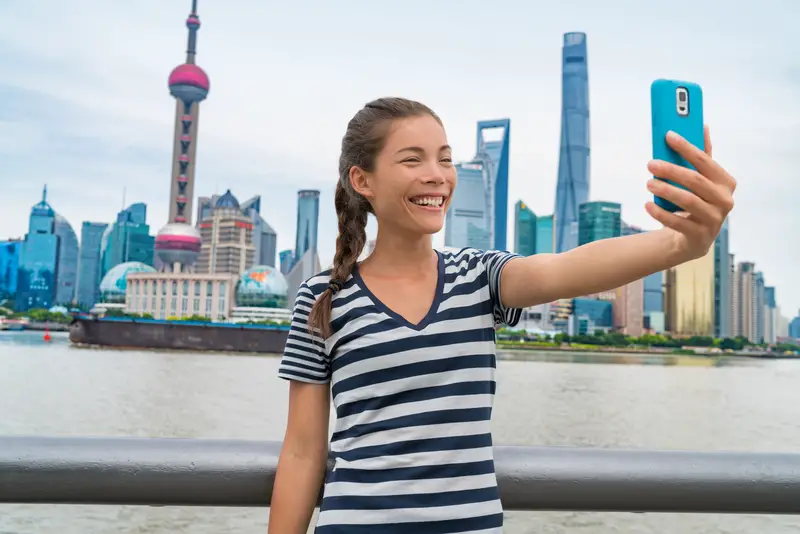
You’ve probably done it dozens of times without thinking twice. You’re at the airport, boarding pass in hand, or lounging on a beautiful beach, and you grab your phone to snap a quick picture. Within seconds, you’re uploading it to Instagram or Facebook with a clever caption and a couple of hashtags. It feels harmless, right? After all, everyone shares vacation photos online. But what most people don’t realize is that those innocent vacation posts can lead to some serious problems. From empty houses being targeted by thieves to identity theft schemes, the risks of sharing your travel photos in real time are much bigger than you might imagine.
Broadcasting your empty home to potential burglars
Think about what you’re really saying when you post a sunset photo from Hawaii or a selfie at the Eiffel Tower. You’re essentially announcing to the world that your house is sitting empty. Maybe you think only your friends and family can see your posts, but social media platforms make it surprisingly easy for strangers to view your content. Even with privacy settings enabled, there are ways for people with bad intentions to access your information through mutual friends or public groups.
The statistics are pretty alarming. According to law enforcement surveys, more than 75% of burglars now use social media to find their next target. They’re not just looking at obituaries anymore like criminals did in the past. Instead, they scroll through Facebook and Instagram looking for vacation posts, location tags, and any other clues that a home will be unoccupied. Your beach photo might seem harmless, but to someone watching, it’s an invitation. They know exactly when you’ll be gone and can plan accordingly.
Revealing your exact location with plane tickets and boarding passes
Have you ever snapped a picture of your boarding pass to share your excitement about a trip? Lots of people do this without realizing what they’re actually sharing. Those barcodes and QR codes on your ticket contain way more information than just your seat number. They include your full name, your booking confirmation number, and sometimes even your frequent flyer information. With this data, someone could potentially access your entire travel itinerary, cancel your flights, or even use your information for identity theft purposes.
Beyond the technical risks, posting pictures of your tickets creates a scary situation where people can track your movements. Someone could figure out exactly which flight you’re on, when you’re landing, and where you’ll be staying. This creates serious safety concerns, especially for families traveling with children. Imagine someone showing up at your arrival airport with a sign bearing your name, pretending to be a driver or representative. It sounds like something from a thriller movie, but these scenarios do happen when people broadcast too much information about their travel plans online.
Missing out on actually enjoying your vacation
Here’s something that might hit close to home. When you’re constantly thinking about what to post next, are you really experiencing your vacation? Many travelers admit they spend more time looking at their trip through their phone screen than with their own eyes. They visit restaurants and spend five minutes photographing their food from different angles before it gets cold. They stand at scenic overlooks trying to get the perfect shot instead of taking in the view. The pressure to document everything for social media can actually make vacations more stressful than relaxing.
Think about how much time goes into managing your social media presence during a trip. You’re not just taking photos. You’re editing them, writing captions, responding to comments, and checking how many likes you’re getting. Some people spend hours each day on these activities during their vacation. That’s time you could be spending with your family, trying new activities, or simply relaxing. The constant need to document and share can turn what should be a break from routine into just another source of anxiety and work.
Creating liability issues when your home is unoccupied
Here’s a nightmare scenario most people never consider. Let’s say you post about your two-week European vacation, and some teenagers in your neighborhood see it. They decide to throw a party at your empty house. Things get out of hand, property gets damaged, and even worse, someone gets hurt. You might think the trespassers would be liable, but depending on your state’s laws, an injured person could actually sue you, the homeowner, and potentially win their case.
Insurance companies are also getting smarter about social media. If you experience a break-in and your insurance company discovers you were broadcasting your absence online, they might question your claim or argue that you were negligent. Some policies have specific clauses about taking reasonable precautions to prevent theft. Posting your travel plans publicly could potentially be seen as failing to take those precautions. The few likes you get on a vacation post aren’t worth jeopardizing your insurance coverage.
Showing off expensive items and valuables
Remember when that famous reality TV star got robbed in her Paris hotel room? The criminals later admitted they planned the entire heist by following her Instagram account. They knew exactly what jewelry she had with her because she’d posted pictures of it. They knew where she was staying and when she’d be there. The whole crime was made possible by social media. While you might not have millions of dollars in jewelry, the principle is the same whether you’re showing off a new watch, expensive camera equipment, or designer handbags.
Your vacation photos often reveal more than you intend. That photo of your hotel room might show your laptop on the desk. A beach picture could feature your designer sunglasses or expensive beach gear. Even posting about the luxury resort you’re staying at signals to potential thieves that you probably have valuable items worth stealing. Criminals specifically look for these visual clues when choosing their targets. They’re essentially shopping for their next job by scrolling through vacation posts on social media.
Teaching your kids dangerous social media habits
If you have children, your social media habits become even more important. Kids learn by watching what adults do, not by listening to what they say. When you constantly post vacation photos in real time, you’re teaching them that this behavior is normal and safe. Then when they get their own social media accounts, they’ll do the same thing without understanding the risks. Teenagers are particularly vulnerable because they often have less strict privacy settings and may accept friend requests from people they don’t know well.
The dangers extend beyond just property theft when children are involved. Posting photos of your kids on vacation, especially with location tags, can put them at risk. Predators use social media to gather information about potential targets. They can learn your family’s routines, figure out where you like to vacation, and even show up at those locations. Parents need to model safe behavior and have conversations with their kids about why waiting to post vacation photos is important. The rules you set now will influence how they handle their own social media presence for years to come.
Losing the ability to tell a better story later
When you post photos as a reflex throughout your trip, you’re usually not putting much thought into them. You snap a picture, add a quick caption, and move on. But when you wait until after your vacation to share photos, something interesting happens. You can actually curate your images and tell a more compelling story about your experience. You have time to go through all your photos, pick the best ones, edit them properly, and create a narrative that captures what your trip was really like.
There’s something satisfying about treating your vacation photos more like art than just status updates. Instead of posting ten mediocre beach pictures throughout the week, you can select the two or three best ones and share them when you get home. This approach makes your posts more meaningful and less like spam to your followers. Plus, sharing photos after you return gives you a way to relive the trip and extend that vacation feeling once you’re back to your normal routine. It’s actually more enjoyable to reminisce about your travels from the comfort of home than to stress about posting while you’re supposed to be relaxing.
Accidentally revealing security details about your home
This one’s sneaky because most people don’t even realize they’re doing it. When you post vacation photos, sometimes your home appears in the background of departure pictures or in shots taken right before you leave. These images can reveal what your front door looks like, whether you have a security system, what kind of locks you use, and how your property is laid out. That cute photo of you loading luggage into your car might show your garage door code panel or whether you have motion sensor lights installed.
Even photos taken during your trip can give away information. If you post about being gone for two weeks, thieves know they have a comfortable window to break in without being interrupted. They can take their time, make multiple trips to haul stuff away, and won’t have to worry about you coming home unexpectedly. The more details you share about your travel dates and duration, the easier you make it for criminals to plan. Even something as simple as posting “Day 3 of our 10-day cruise” tells someone exactly how much longer your house will be empty.
Disabling the automatic location tags on your photos
Most people don’t know that their smartphone automatically embeds location data into every photo they take. This feature is called geotagging, and it records the exact GPS coordinates of where each picture was taken. When you upload these photos to social media, that location information often gets shared too, even if you didn’t manually add a location tag. Someone with basic technical knowledge can extract this data and figure out exactly where you were when you took any given photo.
The fix is actually pretty simple, but most people never bother to change their settings. On your phone, you can disable location services for your camera app, which prevents this data from being embedded in your photos in the first place. You should also avoid using Facebook’s check-in feature or adding location tags to your Instagram posts while you’re traveling. Save all that sharing for after you get home. Sure, your followers might not know in real time that you’re somewhere exciting, but that’s actually the whole point. The delayed gratification is worth the added security.
The good news is you don’t have to give up sharing vacation photos altogether. You just need to be smarter about when and how you share them. Wait until you’re back home to post your pictures, turn off location services, and think carefully about what information your photos might be revealing. Your vacation memories will still be just as special, your followers will still enjoy seeing them, and you won’t spend your entire trip worrying about whether someone’s breaking into your house while you’re gone. Sometimes the best moments are the ones we keep to ourselves until the time is right to share them.

