

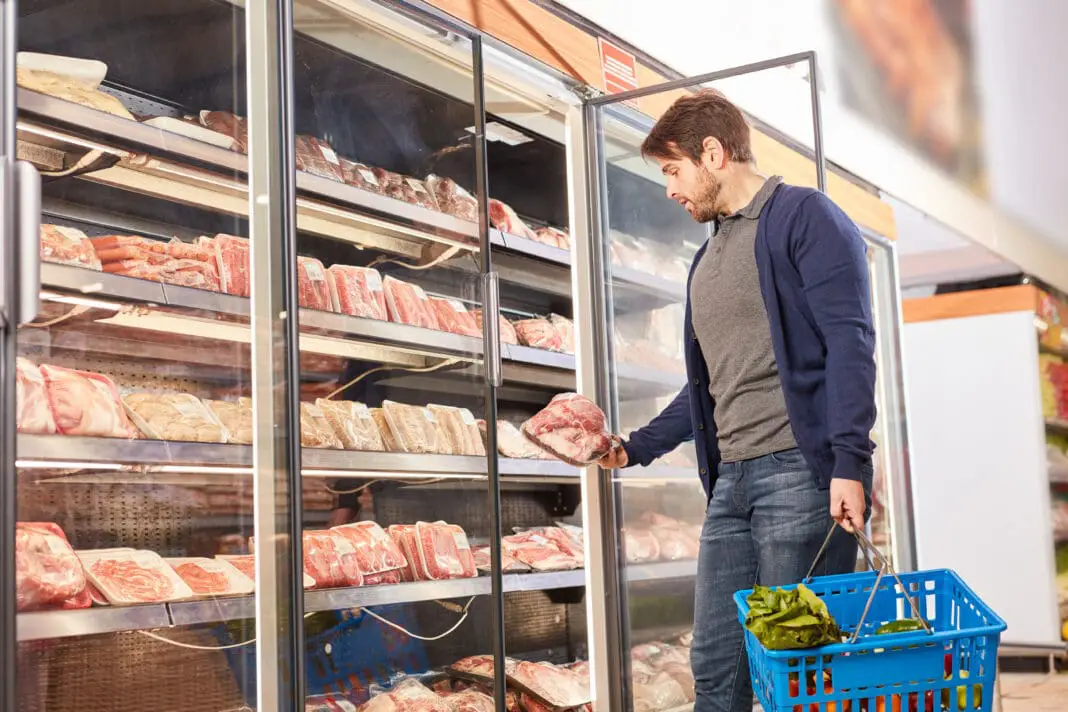
About 30 percent of the food supply in America gets thrown away because people don’t understand what dates on packages actually mean. That’s a lot of perfectly good meat hitting the trash can for no good reason. But here’s something most shoppers don’t realize: the day you buy your meat matters just as much as the date printed on the package. Knowing when grocery stores restock their shelves can save you money and get you fresher products. The trick isn’t complicated, but it does require knowing a few insider secrets about how supermarkets operate behind the scenes.
Sundays are the worst day to shop for fresh meat
Most grocery stores receive their big meat deliveries early in the week. Mondays and Tuesdays are typically when trucks roll in with fresh products. By the time Sunday comes around, you’re looking at meat that’s been sitting in the display case for almost a week. Sure, it might still be within the printed date range, but it’s definitely not at its peak freshness. The packages you see on Sunday mornings are often the same ones that were put out days earlier. They’ve just been shuffled around to look new.
Think about it this way: stores want to sell their older inventory before the new shipments arrive. That means Sunday shoppers often get the bottom of the barrel without even knowing it. The meat counter employees aren’t going to tell you this, but the fresher stuff shows up when most people aren’t shopping. If you want the best selection and the freshest cuts, plan your shopping trips for early in the week instead. Your dinners will taste better for it, and you’ll have more time before those dates become a concern.
Those printed dates don’t actually mean what you think
Here’s a fact that might surprise you: the dates on meat packaging aren’t even required by law. The USDA doesn’t force companies to put them there. Stores and manufacturers add these dates voluntarily, and none of them actually say “expires by” anymore. That’s because there’s no universal rule about when meat goes bad. It depends on how it was stored, shipped, packaged, and displayed. Two packages of chicken from different stores might have completely different shelf lives even with the same printed date.
The “sell by” date is really just a note to store employees. It tells them to move older packages to the front of the case. The “best if used by” and “use by” dates are suggestions for when the meat will taste its best. They’re not safety deadlines at all. Your meat won’t suddenly become dangerous the moment that date passes. These dates indicate quality, not safety. If handled properly, your protein should be fine for several days beyond what the sticker says. Knowing this can save you from throwing away perfectly good food.
Clearance meat is often a better deal than you realize
Walking past those yellow clearance stickers on meat packages feels risky to most shoppers. But experienced budget shoppers know something others don’t: that discounted meat is usually completely fine to eat. Stores mark down meat that’s approaching its sell-by date to make room for new inventory. They’re not trying to poison anyone. They just want to sell it before they have to toss it. Getting 30 percent off a package of chicken or beef is a win for your wallet if you know what you’re doing.
The key is to plan on cooking or freezing that clearance meat right away. Don’t buy it thinking you’ll get around to it in five days. Put it on your menu for that night or the next day. If you can’t use it immediately, pop it in the freezer as soon as you get home. Frozen meat stays safe almost indefinitely. Those marked-down packages often become the basis for delicious meals that cost a fraction of what other shoppers paid for the exact same product just days earlier.
Color changes in meat aren’t always a bad sign
Most people think beef should always be bright red, pork should be pink, and chicken should look peachy. But those colors are actually short-lived in nature and require special packaging to maintain. That bright red color in beef happens when a protein called myoglobin meets oxygen. It’s not the meat’s “natural” color at all. Older animals, male animals, and those fed certain diets can all produce darker meat that’s perfectly healthy. Even store lighting can make red meat look brownish over time.
Ground beef turning gray? That’s usually just from lack of oxygen inside the package. It doesn’t mean the meat has gone bad. According to the USDA, even a slight iridescent sheen on cured meats doesn’t indicate any safety problem. That rainbow effect happens when air and light hit certain compounds in the meat. Raw poultry can range from yellow to blue-white depending on the bird’s diet and how it was processed. None of these color variations mean you should throw the meat away. Other signs matter more than color alone.
Your nose is the best tool for checking meat safety
Forget about the printed dates for a moment. The most reliable way to tell if meat has spoiled is to smell it. Bad meat has a distinct sour odor that your brain will immediately recognize as wrong. Something will just feel “off” when you open that package. This smell comes from the growth of microorganisms like yeast, mold, and bacteria that cause meat to break down. Your instincts are actually pretty good at detecting this kind of thing if you pay attention to them.
Interestingly, the bacteria that make meat smell bad aren’t necessarily the same ones that make you sick. Spoilage bacteria break down the meat and create that funky odor, but the truly dangerous pathogens like salmonella and E. coli can hide without any smell at all. Still, if your meat smells off, don’t eat it. The texture matters too. Sticky, tacky, slimy, or strangely dry meat is on its last legs. Combine a weird smell with an odd texture, and that package definitely needs to go in the trash.
Packaging quality affects shelf life more than most realize
Ever notice how chicken from one store lasts longer in your fridge than chicken from another? The difference often comes down to packaging. The USDA notes that a product’s shelf life depends on several factors including the type of packaging used and how long it was stored during distribution. Better packaging and more protective wrapping mean longer-lasting meat. This explains why vacuum-sealed products tend to stay fresh much longer than meat wrapped in basic plastic wrap.
When shopping, look for packages that are tightly sealed with no air pockets or tears. Avoid any packages where the moisture pad underneath the meat looks swollen or discolored. That bulging liquid is a sign that something isn’t right with how the meat was stored. Airtight packaging that hasn’t been compromised will keep meat fresh much longer than packages that have been damaged or poorly sealed. The condition of the package tells you a lot about what’s happening inside.
Temperature matters from store to home
That car ride home from the grocery store? It’s shortening your meat’s life with every minute that passes. Meat needs to stay below 40 degrees Fahrenheit to remain safe. Every moment it spends in a warm car or sitting on your counter while you put away other groceries is time spent in what food safety experts call the danger zone. This is especially true during summer months when your car can heat up fast. Those precious minutes add up quickly.
Make the meat department your last stop before checkout. Keep an insulated bag in your car for grocery runs if you live more than twenty minutes from the store. Once home, get that meat into the refrigerator immediately. Your home fridge isn’t designed for long-term commercial storage like the coolers at the grocery store, so don’t expect meat to last as long at home. Plan to cook or freeze fresh meat within a few days of purchase for best results.
Freezing is the ultimate money-saving hack for meat
Found a great deal on meat but can’t use it right away? The freezer is your best friend. Properly frozen meat stays safe almost indefinitely. The cold temperatures stop bacteria growth completely. This means you can stock up during sales without worrying about waste. That family pack of ground beef marked down 40 percent becomes an amazing deal when you divide it into portions and freeze what you won’t use immediately. Smart shoppers do this all the time.
The trick is freezing meat while it’s still fresh. Don’t wait until the last day before the use-by date to decide you’re not going to cook it. Freeze it as soon as you know you won’t be using it within a couple of days. Wrap it tightly in freezer paper or use freezer bags with the air pressed out. Label everything with the date so you know what you have. Frozen meat might not be quite as perfect as fresh after thawing, but the difference is minimal for most recipes.
Smart shopping means knowing when stores restock
Different stores have different delivery schedules, and learning yours can change how you shop. Ask the butcher counter employees when their fresh shipments typically arrive. Most will tell you if you just ask nicely. Big chain stores often have set schedules, with Tuesdays and Wednesdays being common restock days for many locations. Shopping shortly after a delivery means you get first pick of the freshest products before other customers clean out the good stuff.
Some stores also mark down meat on predictable schedules. Learning when your local grocery typically slaps those discount stickers on packages lets you time your visits perfectly. You might find that Wednesday mornings are when all the weekend meat gets marked down, or that Sunday evenings bring deals before Monday deliveries. This knowledge turns ordinary shopping into strategic savings. A little observation over a few weeks can reveal patterns that benefit your budget for years to come.
Shopping smart for meat doesn’t require becoming a food scientist. It just takes a little awareness about how grocery stores operate and what those package labels actually mean. Skip the Sunday shopping trips when you can, pay attention to packaging condition, trust your nose over printed dates, and use your freezer to extend the life of good deals. These simple habits will save money and reduce waste while still putting quality meals on your table. Sometimes the best shopping advice is knowing which rules aren’t really rules at all.

