

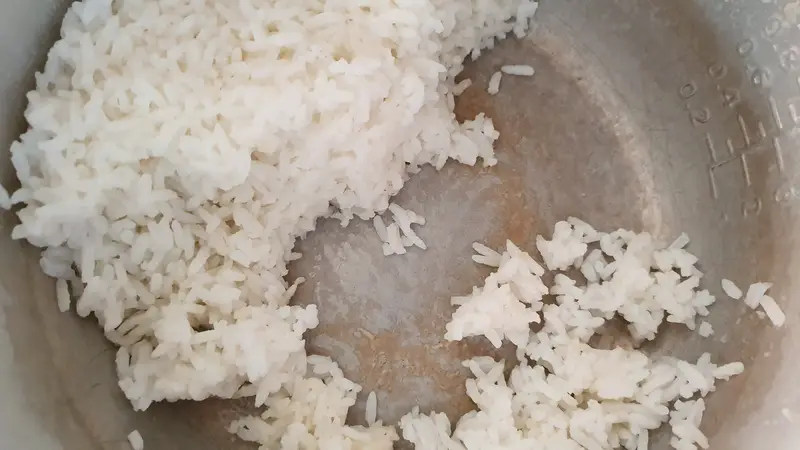
That container of leftover rice sitting in your fridge might be hiding a nasty secret. Every year, thousands of people get sick from something called Bacillus cereus, a bacteria that loves to grow on cooked rice that’s been left out too long. The scary part? Even reheating the rice won’t always save you. This bacteria produces toxins that can survive high heat, which means your microwave isn’t the safety net you thought it was. Most people have no idea that rice can be so dangerous when stored or handled the wrong way.
Leaving rice on the counter is the real problem
Here’s the thing most people don’t realize. The danger doesn’t come from reheating rice itself. The problem starts way before that, when you leave cooked rice sitting out at room temperature. After you cook rice, you might let it cool down on the stove or counter while you finish making dinner. That seems harmless enough, right? But during that time, bacteria spores that survived the cooking process wake up and start multiplying like crazy. Room temperature is basically a playground for these tiny invaders.
The bacteria called Bacillus cereus forms heat-resistant spores that can survive cooking temperatures. Once your rice cools down to a warm, comfortable temperature, these spores start growing and producing toxins. The longer rice sits out, the more bacteria and toxins build up. Experts say you should never leave cooked rice at room temperature for more than two hours. After that window closes, you’re playing a risky game with your stomach.
Your microwave can’t kill everything in rice
Many people assume that zapping their leftovers in the microwave makes everything safe to eat. This works for most foods, but rice is different. The Bacillus cereus bacteria produces toxins that are incredibly stubborn. These toxins don’t break down when exposed to heat, which means your microwave is basically useless against them. You could heat that rice until it’s steaming hot, and those toxins would still be there waiting to make you sick.
The bacteria itself might die when you reheat rice to at least 165°F, but the damage is already done. Those heat-stable toxins remain in your food no matter how long you microwave it. This is why proper storage matters so much more than proper reheating. Think of it this way: once the toxins are there, no amount of cooking will remove them. Prevention is the only real solution, and that starts with how you handle rice right after cooking it.
Two different types of food poisoning can hit you
Getting sick from bad rice isn’t a one-size-fits-all experience. Bacillus cereus can cause two completely different types of illness depending on how it affects your body. The first type is called emetic syndrome, which basically means you’ll be vomiting. This type hits fast, usually within one to six hours after eating contaminated food. The toxins attack your stomach and make you feel absolutely miserable for several hours.
The second type is called diarrheal syndrome, and it takes longer to show up. Symptoms usually appear six to fifteen hours after eating bad rice. This type happens when the bacteria grows inside your small intestine and causes abdominal cramps and diarrhea. Neither type is fun, but both usually pass within about 24 hours. Still, spending a day hugging a toilet isn’t anyone’s idea of a good time, so proper rice handling is worth the extra effort.
Restaurant fried rice is a common source of trouble
Ever wonder why this food poisoning is sometimes called “fried rice syndrome”? That’s because fried rice dishes at restaurants have been linked to many outbreaks over the years. The problem happens when restaurants cook large batches of rice and leave them sitting out for too long before using them. Fried rice requires day-old rice for the best results, but some places don’t store that rice properly overnight.
The bacteria thrives in that warm, starchy environment and produces toxins while waiting to become your next meal. When the chef finally fries up that rice, the heat kills the bacteria but doesn’t destroy the toxins already present. This is why some people feel fine after eating fried rice while others in their group get food poisoning. It all depends on which portion of rice was contaminated and how long it sat out.
Cool your rice quickly and get it in the fridge
The best way to protect yourself from rice-related food poisoning is surprisingly simple. After cooking rice, you need to cool it down and get it into the refrigerator as fast as possible. The two-hour rule is your friend here. Don’t let cooked rice sit at room temperature for more than two hours total. If you’re having a long dinner party, refrigerate the rice and reheat portions as needed.
To speed up cooling, spread your rice out on a baking sheet or divide it into smaller containers. The more surface area exposed to air, the faster it cools down. Once the rice reaches room temperature, stick it in the fridge immediately. Some people worry about putting warm food in the refrigerator, but modern fridges can handle this just fine. The small increase in fridge temperature is way less risky than leaving rice out to become a bacteria farm.
Sushi rice has a secret weapon against bacteria
Have you ever wondered why sushi rice sits out at restaurants without making everyone sick? The answer is vinegar. Sushi chefs add rice wine vinegar to their rice, which makes it more acidic. Bacillus cereus cannot grow well in acidic environments, so the vinegar acts as a natural preservative. This is why sushi rice can safely sit at room temperature longer than plain cooked rice.
Interestingly, experts say that improperly prepared sushi rice can actually be more dangerous than the raw fish in sushi. If a restaurant doesn’t add enough vinegar or lets the rice sit too long before serving, bacteria can grow. Most reputable sushi restaurants follow strict food safety rules, but knowing this fact might make you think twice about that gas station sushi. When in doubt, stick to places that take food preparation seriously.
Some people are at higher risk than others
While most people recover from Bacillus cereus food poisoning within a day or two, some groups face greater dangers. Children, elderly adults, pregnant women, and people with weakened immune systems are more vulnerable to serious complications. For these groups, what might be a mild stomach bug for others could turn into a hospital visit. A tragic case in Iran involved two children who became critically ill after eating leftover rice.
In severe cases, Bacillus cereus can cause liver failure or sepsis, though this is extremely rare. According to CDC data, of the 63,000 reported cases between 2000 and 2008, only 20 people were hospitalized and nobody died. Still, those aren’t great odds if you’re feeding rice to kids or grandparents. Taking a few extra minutes to store rice properly seems like a small price to pay for peace of mind.
Other foods can cause the same type of poisoning
Rice gets most of the attention, but Bacillus cereus doesn’t limit itself to just one food. This bacteria can contaminate pasta, cooked meats, sauces, and other starchy foods. Any food that sits in the danger zone between 40°F and 140°F for too long can become a breeding ground for this bacteria. So while you’re being careful with your rice, don’t forget about that pasta salad at the summer barbecue.
The same storage rules apply to all these foods. Cool them quickly, refrigerate them within two hours, and reheat them thoroughly before eating. Bacteria don’t care what type of starch they’re growing on, so treat all leftovers with the same level of caution. If something has been sitting out at a party or potluck for hours, it’s probably safer to skip it than risk spending the next day in the bathroom.
Only cook the amount of rice you actually need
One of the simplest ways to avoid rice-related food poisoning is to stop making too much rice in the first place. If you cook exactly what you need for one meal, there won’t be any leftovers to worry about. This might require a little planning, but it eliminates the whole storage problem entirely. Most rice packages include serving size guidelines that can help you estimate the right amount.
Of course, this isn’t always practical. Sometimes you want extra rice for meal prep or lunch the next day. That’s perfectly fine as long as you follow proper storage guidelines. Just remember that portion control is about more than watching your waistline. It’s also a food safety strategy that reduces the chance of something going wrong with your leftovers. A little planning goes a long way toward keeping your stomach happy.
The bottom line is that leftover rice isn’t automatically dangerous, but it does require some respect. Cool your rice quickly, refrigerate it within two hours, and don’t trust your microwave to fix mistakes. If rice has been sitting out too long, toss it instead of taking a chance. These simple habits can save you from a miserable day of food poisoning and keep your meals safe for everyone at the table.

