

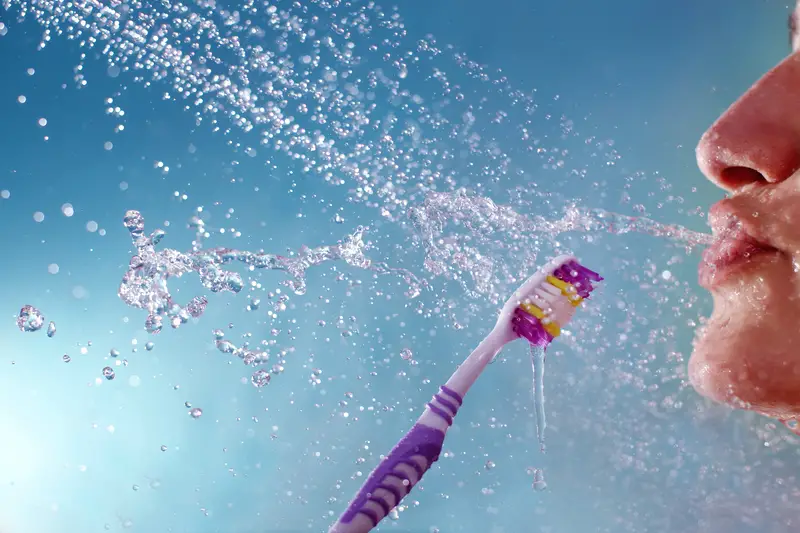
Around 4 percent of Americans brush their teeth while taking a shower, and that number keeps growing among younger people. It might seem like a clever way to save time or get ready faster in the morning, but dentists have some serious concerns about this habit. The practice comes with unexpected risks that most people never consider. From bacteria problems to wasted water, and even potential injuries, brushing in the shower creates more issues than it solves. Here’s what actually happens when you combine your dental routine with your daily rinse.
Hot water ruins your toothbrush bristles
The water temperature in your shower is probably much hotter than what you’d use at the bathroom sink. Most people enjoy a warm or hot shower, especially in the morning when trying to wake up. That heat feels great on your muscles, but it’s terrible for your toothbrush. Hot water softens the bristles on your toothbrush, making them bend and lose their shape. When bristles get too soft, they can’t properly clean the surfaces of your teeth or reach into the tight spaces between them.
Electric toothbrushes face even bigger problems in the shower environment. While many electric models claim to be waterproof, that doesn’t mean they should be submerged in water regularly. The constant exposure to steam and moisture can damage the internal mechanisms over time. The charging components and electronic parts weren’t designed for daily shower use. Even if your electric toothbrush survives for a while, the hot water still softens those bristles just like it would on a manual brush, reducing their cleaning effectiveness.
Your shower head harbors disgusting bacteria
Shower heads are breeding grounds for all kinds of bacteria and other microorganisms. The warm, moist environment inside your shower creates the perfect conditions for these germs to multiply. When you brush your teeth under the running shower water, you’re potentially exposing your toothbrush to whatever bacteria lives in that shower head. These bacteria can transfer onto your brush and then directly into your mouth, which could make you sick or compromise your immune system.
The problem gets worse if you share your bathroom with roommates or family members. Everyone’s shower routine introduces different types of bacteria into the environment. When multiple people use the same shower, the variety of germs increases significantly. Your toothbrush becomes exposed to bacteria from everyone who uses that space. This cross-contamination issue doesn’t exist when you brush at the sink with your own toothbrush stored separately. The risk of getting sick from oral bacteria increases when you introduce all these extra variables into your brushing routine.
Storing your toothbrush in the shower causes problems
Many people who brush in the shower end up leaving their toothbrush in there between uses. This creates a major hygiene problem that most people don’t think about. The American Dental Association specifically warns against this practice because the constant moisture prevents your toothbrush from drying out properly. Bacteria thrive in damp conditions, and a toothbrush that never fully dries becomes a perfect home for them to grow and multiply between your brushing sessions.
The ideal storage for any toothbrush involves keeping it upright in a well-ventilated area where it can dry completely after each use. Your shower is literally the opposite of that environment. The moisture lingers long after you finish showering, especially in bathrooms without good ventilation or windows. Even if you think your shower dries out during the day, there’s usually still more humidity there than in other parts of your bathroom. This ongoing dampness means bacteria can build up on your brush, potentially leading to oral health issues down the line.
You’re transferring body germs to your mouth
Think about what you’re doing in the shower before you brush your teeth. You’re washing dirt, sweat, dead skin cells, and various other substances off your body. All of that material goes down the drain, but some of it ends up on surfaces throughout your shower including the walls, floor, and anything else in there. When you brush your teeth in this environment, you’re potentially exposing your toothbrush to germs from the rest of your body. The transfer of these bacteria to your mouth could make you sick.
The water bouncing off your body while you shower creates a fine mist that contains whatever you’re washing off. This spray can land on your toothbrush while you’re using it or while it sits in the shower. The same shower that cleans your body becomes a vehicle for moving germs around the enclosed space. Your mouth has its own ecosystem of bacteria that normally exists in balance, but introducing foreign bacteria from other parts of your body can disrupt that balance and potentially cause problems with your oral health or general wellness.
Toothpaste on the shower floor becomes a safety hazard
When you brush your teeth while standing in the shower, gravity works against you. Toothpaste foam and excess paste naturally drip down onto the shower floor. Most people don’t think twice about this until they experience the consequences. Toothpaste mixed with water creates an incredibly slippery surface. The combination increases your risk of slipping and falling, which could lead to serious injuries. A fall in the shower can result in broken bones, head injuries, or other trauma that requires medical attention.
Even if you’re careful to rinse away the toothpaste immediately, the film it leaves behind can remain slick for several seconds. During that time, you’re vulnerable to losing your footing. The risk increases if you close your eyes to keep soap or shampoo out of them while also trying to brush. Your balance becomes compromised when you can’t see, and the slippery surface makes it even harder to catch yourself if you start to slip. This hazard simply doesn’t exist when you brush at the bathroom sink with both feet planted firmly on a dry floor.
You can’t see what you’re doing without a mirror
Most showers don’t have mirrors, and even if yours does, it’s probably fogged up from the steam. Brushing your teeth properly requires being able to see what you’re doing. You need to check that you’re hitting all the surfaces of your teeth, reaching the back molars, and positioning your brush at the correct angle. Without a mirror, you might miss spots or forget to brush certain areas entirely. The recommended technique involves holding your brush at a 45-degree angle to your gums, which is nearly impossible to judge without visual feedback.
Visual confirmation also helps you make sure you’ve removed food particles that might be stuck between teeth. When you brush at the sink with a clear mirror in front of you, you can see exactly where you need to focus more attention. The thoroughness of your cleaning improves dramatically when you can watch what you’re doing. In the shower, you’re essentially brushing blind, relying only on feel to guide you. This often results in inadequate cleaning and missed areas that can lead to plaque buildup and eventual tooth decay.
Multitasking means you’re rushing through the two-minute requirement
Dentists recommend brushing for a full two minutes to properly clean your teeth. When you’re trying to brush while also shampooing your hair, washing your face, or performing other shower tasks, that two-minute minimum often gets cut short. You might think you’re saving time by combining activities, but you’re actually shortchanging your dental health. The multitasking that seems so efficient actually prevents you from giving your teeth the attention they need.
Your focus gets divided among several tasks when you’re in the shower. You’re thinking about keeping soap out of your eyes, making sure you’ve rinsed the conditioner from your hair, checking that you haven’t missed any spots on your body, and trying to brush your teeth all at once. Something has to give, and it’s usually the quality and duration of your brushing. Some dentists worry that people who brush in the shower develop a habit of only brushing once per day instead of the recommended twice daily routine. The association between showering and brushing might cause you to skip your evening brush session since you already took care of it that morning.
Flossing gets forgotten when you brush in the shower
The shower environment makes flossing extremely impractical. Most people don’t keep dental floss in their shower, and even if they did, using it there would be awkward and difficult. The practice conditions people to skip flossing altogether, which is a critical part of maintaining good oral health. Flossing removes food particles and plaque from between teeth where your toothbrush can’t reach, preventing cavities and gum disease in those tight spaces.
Some people try to compensate by using a water flosser or rinsing with mouthwash, but neither option fully replaces traditional flossing. Water flossers can be helpful additions to your routine, but they don’t remove plaque as effectively as string floss. Mouthwash kills bacteria and freshens breath, but it doesn’t physically remove the debris stuck between teeth. When you make the bathroom sink your brushing station instead of the shower, you’re more likely to complete your full dental care routine including proper flossing. Having all your dental tools in one convenient location encourages better habits.
You’re probably not saving water like you think
Many people justify brushing in the shower by claiming it saves water. The logic seems sound at first because you’re combining two activities that both use water. However, the reality doesn’t match this assumption. If brushing your teeth causes you to stay in the shower even 30 seconds longer than you normally would, you’re using more water than if you’d brushed at the sink. Showers use significantly more water per minute than bathroom faucets, especially if you have an older shower head.
The Environmental Protection Agency points out that turning off the tap while brushing at the sink can save up to four or five gallons of water per brushing session. When you brush in the shower, that running water never stops. Even if you’re not standing directly under the stream the entire time, it’s still flowing and going down the drain. A more effective water-saving strategy involves brushing at the sink with the faucet turned off, only running water briefly to wet your brush and rinse when finished. This approach uses a fraction of the water compared to extending your shower time.
The bottom line is that brushing your teeth belongs at the bathroom sink, not in the shower. While around 13 to 15 million Americans currently brush while bathing, the practice comes with too many drawbacks to recommend. The bacteria concerns, inability to see what you’re doing, safety hazards, and likelihood of rushing through or skipping important steps all add up to a dental routine that’s less effective than traditional sink brushing. If you’re currently a shower brusher, consider moving your toothbrush back to the sink where you can brush properly for the full two minutes, floss thoroughly, and maintain better oral health overall.

