

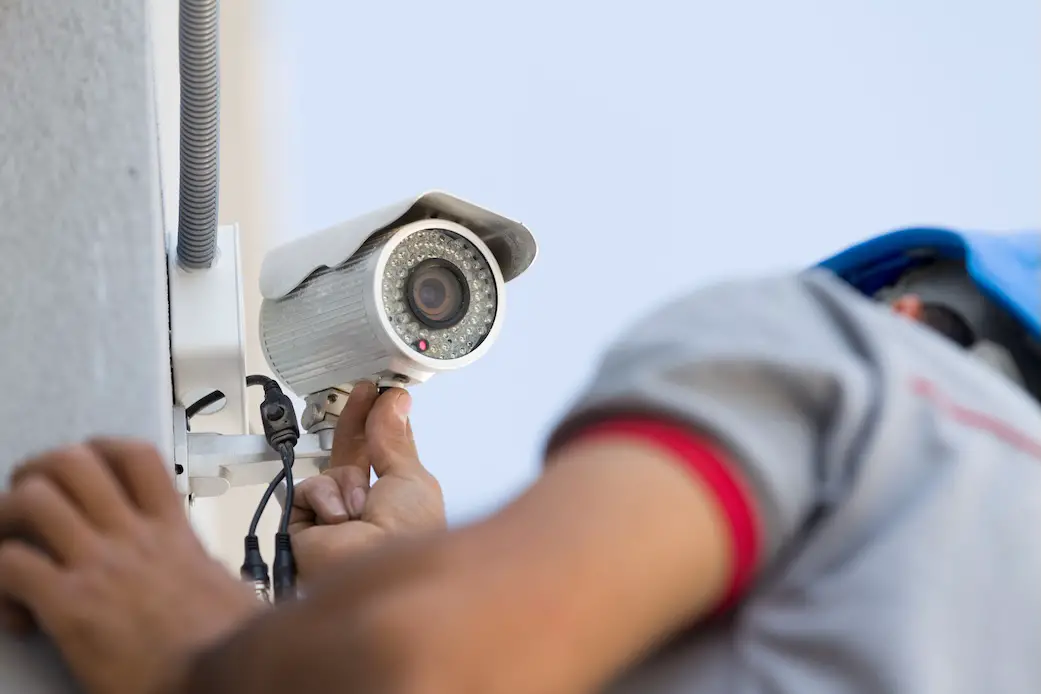
Most people buy a security camera, slap it wherever seems easy, and call it a day. But the wrong placement can actually make your home less safe — or even get you into legal trouble. A camera that faces the wrong direction, sits too low on a wall, or peers into a neighbor’s yard does more harm than good. So before you grab a drill and start mounting that shiny new camera, here are the spots you should always avoid.
Pointing directly at your neighbor’s property
It might be tempting to aim a camera at the property line you share with a noisy or suspicious neighbor. But recording someone else’s backyard, windows, or front door can create real problems. In many states, people have a reasonable expectation of privacy on their own property. That means your camera could violate their rights, leading to complaints, disputes, or even a lawsuit. Nobody wants to turn a home improvement project into a legal headache. And honestly, a camera pointed at the neighbor’s house isn’t even protecting your home very well.
Instead, angle your camera so it covers your property and your property alone. If avoiding a view of the house across the street is impossible — like with a video doorbell on your front door — use the camera’s app to set up privacy zones. These are adjustable black boxes that block out parts of the image. Most modern cameras from brands like Ring, Arlo, and Google Nest include this feature. It only takes a minute to set up, and it keeps things friendly between you and the folks next door.
Inside any bathroom or toilet area
This one should be obvious, but it still needs to be said. A security camera should never be placed in a bathroom, a powder room, or anywhere that could accidentally capture a view into one of those spaces through a doorway or window. Even if your intent is completely innocent — say, watching for water leaks — the presence of a camera in a bathroom is a serious privacy violation. It doesn’t matter if it’s your own home. If guests, roommates, or anyone else uses that bathroom, the camera should not be there, period.
The same goes for cameras placed in hallways or on shelves that happen to have a clear line of sight into a bathroom when the door is open. Before you mount any indoor camera, think about what it can see from every angle. Walk through your home and check. If you can see a toilet or shower in the camera’s preview image, move the camera immediately. There are plenty of better spots that still keep your home safe without crossing any lines.
Bedrooms are off-limits for cameras
A bedroom is one of the most private rooms in any home. Placing a security camera inside one — whether it’s a guest room, a teenager’s room, or the main bedroom — is a bad idea. People expect total privacy when they sleep, change clothes, or simply relax behind a closed door. A camera in that space, even one that’s “only on at certain times,” sends the wrong message and could lead to trust issues or worse. The only real exception here is a baby monitor in an infant’s room, which serves a clear safety purpose.
If you’re worried about break-ins through a bedroom window, a better option is placing the camera outside, aimed at the window from the exterior. That way, you get the coverage you need without turning a private space into a surveillance zone. You can also use window and door sensors as part of a home alarm system. These small devices alert you the moment a window opens, and they don’t record any video at all. It’s a simple, privacy-friendly solution.
Shared living spaces without roommate consent
Living with roommates already comes with its share of awkward conversations. But installing a camera in a shared kitchen, living room, or hallway without telling everyone? That’s a guaranteed way to start a fight — or worse. If anyone in the home doesn’t know about the camera, you could be violating their privacy. Even if your name is on the lease, that doesn’t give you the right to record other people in spaces they consider their own. Common areas in shared housing still deserve a basic level of respect and agreement.
The right move is simple: talk to your roommates first. If everyone agrees that a camera near the front door makes sense for package theft or security, great. Just make sure the camera only covers the agreed-upon area, like the entryway. Also, whoever owns the camera should be responsible for stored footage. Delete old recordings regularly and don’t share clips without permission. Transparency goes a long way when you’re sharing a roof with other people.
Low spots that are easy to reach
Here’s something a lot of people get wrong. They mount an outdoor camera right next to the front door at eye level, thinking that’s the best spot. But if a burglar can reach the camera with their hands, they can rip it off the wall, cover it with a cloth, or smash it before it captures anything useful. A camera that’s easy to tamper with is barely doing its job. What good is a security device if the person it’s supposed to catch can simply take it down?
Mount your outdoor cameras high — ideally near the roofline or close to a second-story window. This puts them out of arm’s reach while still giving a wide view of the area below. Many cameras that record to the cloud or to a base station inside the home will save footage even if the camera is stolen. But cameras that store video only on a built-in memory card? If someone grabs it, you lose the evidence and the camera. Going high is always the smarter choice.
Right behind a glass window
It seems like a clever shortcut — just place an indoor camera on a windowsill and point it outside. No drilling, no weatherproofing, no fuss. But this almost never works well. During the day, sunlight creates glare on the glass that washes out the image. At night, the camera’s infrared light bounces right off the window and creates a bright white blur. You end up with footage that looks like a flashlight pointed at a mirror. Not exactly helpful when you’re trying to see who’s in your driveway at 2 a.m.
If you want to watch your yard, driveway, or porch, invest in an outdoor-specific camera designed to handle rain, snow, and temperature changes. Brands like Ring, Blink, and Arlo all make affordable weatherproof cameras. They connect to Wi-Fi, and many run on rechargeable batteries, so installation is still easy. You’ll get much better image quality outside than you ever would shooting through glass. It’s a small upgrade that makes a huge difference in what you actually capture on video.
Aimed too much at the sky
Have you ever taken a photo where half the image is just bright, blown-out sky? The same thing happens with security cameras. If a camera is angled upward even slightly too much, the sky takes over the frame. The camera’s sensor adjusts for all that brightness, and everything below — the part you actually care about — turns dark and hard to see. This is especially common with cameras mounted under eaves or on low fences where the natural tilt puts too much sky in the shot.
The fix is straightforward. After mounting, check the live preview in the camera’s app and make sure the horizon sits near the top of the frame, not the middle. You want most of the image filled with your yard, walkway, or driveway. A slight downward angle away from the sky also helps protect the sensor from direct sunlight over time. UV rays beating down on a lens day after day can shorten the camera’s lifespan. A simple tilt adjustment solves both problems at once.
Hidden spots that miss the obvious entry points
Some homeowners think hiding a camera in a bush or tucking it behind a decoration is the smartest play. The idea is to catch intruders without them knowing. But here’s the thing — most burglars enter through the front door, back door, or ground-floor windows. A camera hidden in a garden gnome might look clever, but if it doesn’t cover a primary entry point, it’s basically useless. A visible camera aimed at the front door is far more effective because it also works as a deterrent.
Statistics show that visible cameras at main access points reduce the chance of a break-in. Burglars want easy targets, and a home with obvious surveillance isn’t one. Instead of hiding cameras, place them where they can see doors and first-floor windows clearly. If you want multiple angles, camera bundles from companies like Ring or Blink let you cover the front, back, and side of your home without spending a fortune. Prioritize the obvious entry points first, then add hidden spots later if you want.
Near window ledges that ruin night vision
Mounting a camera near an upstairs window makes battery charging easy — just reach out and grab it. But if the camera sits too close to a window ledge or any other nearby surface, the night vision goes haywire. Most security cameras use infrared light to see in the dark. When that light bounces off a surface just inches away — like a window ledge, a wall corner, or even a rain gutter — it floods the image with a bright white glow. The rest of the scene goes completely dark.
Before committing to a spot, test the camera at night first. Pull up the live view in the app and look for any white-out areas caused by nearby objects. You want a clear, unobstructed view with nothing within a few inches of the lens. Even a small adjustment — moving the camera out a few inches on a mount or angling it slightly differently — can fix the problem entirely. Good night vision is one of the most important features of any outdoor camera, so don’t let a bad mounting spot ruin it.
Getting the most out of a home security camera isn’t just about buying the right brand or paying for a subscription. It’s about putting the camera in the right place from the start. Avoid these common mistakes, use your camera’s built-in privacy tools, and always check the live preview before tightening those screws. A little planning upfront saves a lot of frustration — and keeps both your home and your neighbors’ privacy safe and sound.

