

Most people try their best to be polite at restaurants. They stack their plates, help with the tray, and chat up the staff. But here’s the thing—a lot of those well-meaning habits actually make a server’s job harder. Waiters depend on tips and smooth service to get through a shift. When diners unknowingly mess with the flow, it creates stress nobody sees. These are the common things restaurant servers secretly wish would stop happening.
Stacking plates at the table is not helpful
It feels like a nice thing to do. The meal is over, and everyone starts piling plates on top of each other to make life easier for the server. It seems like common sense, right? The problem is that servers have their own system for clearing tables. When plates are stacked randomly, it can actually make things messier and harder to carry. Leftover food gets smeared between dishes. Silverware slides around. What looked like a favor turns into a bigger cleanup job.
Servers are trained to pick up dishes in a certain order and balance them in a specific way. A wobbly tower of plates thrown together by well-meaning diners can actually slow them down. If the table is done eating, just leave the plates where they are. A good server will come by, check if everyone is finished, and clear things efficiently. The best way to help is simply to sit back and let them do their thing.
Grabbing items off the server’s tray
Ever seen a server walk up with a big tray full of drinks and food? It looks like a balancing act at the circus. So when a diner reaches up and grabs their glass or plate off the tray, they think they’re being considerate. But that one grab can throw off the entire balance. Suddenly, the weight shifts, and everything else on the tray is at risk of crashing to the floor. It’s one of those situations where doing nothing is the better move.
Servers practice carrying loaded trays all the time. They know exactly how to distribute the weight. Instead of reaching for a plate, the most helpful thing a diner can do is move their phone or glasses out of the way so the server has room to set things down. A little clear space on the table goes much further than a helpful hand on the tray. Trust the process—they’ve got it handled.
Asking for things one at a time wastes trips
This one happens all the time. A server drops off ketchup. They start walking away. Then someone at the table flags them down for a napkin. They come back with the napkin. Now someone else needs a refill. That’s three separate trips to one table when it all could have been handled in a single visit. Most diners don’t realize how much time those extra trips eat up during a busy shift.
Servers usually juggle multiple tables at once. Every extra trip to one table means another table waits longer for their food or drinks. If a server asks, “Can I get you anything else?” that’s the moment to speak up with everything the table needs. Ketchup, extra napkins, another drink—say it all at once. It keeps the whole restaurant running smoother and actually gets everyone better service in the end. It’s a small change that makes a big difference.
Splitting the check at the very end
A group of friends finishes dinner. The bill arrives. And then comes the dreaded request: “Can we split this eight ways?” Servers don’t mind splitting checks at all. The issue is when nobody mentions it until the meal is over. At that point, the server has to go back and figure out who had what, match every item to the right person, and run a bunch of separate cards. During a busy night, this can set everything behind.
The easy fix is to mention a split check right at the start of the meal. That way, the server can track each person’s order from the beginning. It’s faster, more accurate, and way less stressful for everyone involved. And honestly, with apps like Venmo and Zelle available on nearly every phone, groups can also just settle up among themselves. One person pays the bill, and everyone else sends their share. Simple.
Snapping or whistling to get their attention
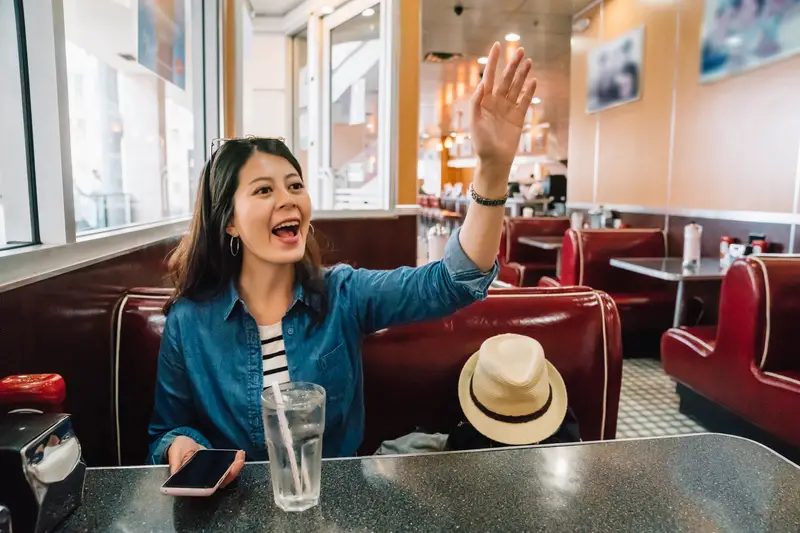
How would it feel if someone snapped their fingers at you while you were in the middle of doing your job? Not great, right? Yet this happens to servers constantly. Some diners snap, whistle, or wave frantically like they’re hailing a cab. Most of them probably don’t mean anything rude by it. But from the server’s side, it feels pretty demeaning. It’s one of those habits that sticks with a server long after the shift is over.
There are much better ways to get a server’s attention. A simple hand raise works well. Making eye contact is even better. If a server’s name is known, using it politely is always a nice touch. And if the server doesn’t notice right away, a little patience helps. They’re likely juggling several tables at once. As one former server put it, a wave is fine—just give them a minute. Chances are, they’ll be right over.
Sitting at a table that hasn’t been cleared
Walking into a busy restaurant and spotting an open table feels like winning the lottery. But if that table still has dirty dishes on it, there’s a reason nobody’s sitting there yet. It hasn’t been cleaned and reset. When diners sit down at an uncleared table, they’re jumping ahead in the system. The host hasn’t assigned it. The server might not even know someone is sitting there. It throws off the entire rotation.
Restaurants use seating systems to make sure servers don’t get overwhelmed. If one server gets too many tables at once, the whole section slows down. By sitting at a dirty table, diners unintentionally mess with that balance. The best move is to wait for the host, even if it takes an extra minute. That short wait means the table will be clean, the server will be ready, and the whole experience will be smoother from the start.
Walking in right before closing time
The restaurant closes at 10 p.m. A group of four walks in at 9:55 p.m., ready for a full sit-down dinner. Technically, the place is still open. But behind the scenes, the kitchen is winding down, servers are finishing side work, and everyone is counting down the minutes until they can go home. That late arrival can add an extra hour or more to everyone’s shift. And most of the staff won’t see extra pay for that time.
Servers have lives outside the restaurant. They have families, classes, second jobs, and a strong desire to get off their feet. Showing up minutes before close and expecting full service feels inconsiderate, even if it’s technically allowed. If a late-night craving hits, ordering food to go is a much better option. The kitchen can wrap things up quickly, and nobody has to stand around waiting for one last table to finish dessert.
Eating the whole meal then complaining about it
Servers are happy to fix a problem with a meal. If the steak is overcooked or the pasta is cold, they want to know about it right away. What they don’t love is when someone eats nearly everything on their plate and then claims they didn’t like it. At that point, it looks less like a genuine complaint and more like someone trying to get a free dinner. Servers see this more often than most people realize.
If something isn’t right, the time to speak up is after the first few bites—not after the plate is nearly empty. Most restaurants will gladly replace a dish or adjust the bill if a real issue comes up early. But cleaning the plate and then asking for a discount puts the server in an awkward spot. They have to go to a manager, explain the situation, and deal with the fallout. A little honesty upfront goes a long way.
Letting kids run wild in the restaurant
Kids are unpredictable. Every parent knows that. But when children are running between tables, crawling under booths, or wandering into areas they shouldn’t be, it creates real problems. Servers carry hot plates and heavy trays. A toddler darting into their path can lead to a serious accident. One former server recalled a barefoot child wandering behind the bar, right where broken glass often ends up. That’s not just annoying—it’s dangerous for everyone.
Nobody expects kids to sit perfectly still for an entire meal. But keeping them in their seats and at a reasonable volume makes a huge difference. It’s safer for the children, less stressful for the staff, and more enjoyable for every other diner in the room. If the little ones are having a rough day and just can’t settle down, ordering to go might be the smarter call. And if they do leave a mess, matching it with a generous tip is always appreciated by the staff.
Eating out should be enjoyable for everyone—including the people working hard to make it happen. Most of these habits come from a good place, and no server expects perfection from every table. But knowing what actually helps versus what just seems helpful can turn an average dining experience into a great one. Next time, skip the plate stacking, keep requests together, and remember that a little awareness and a solid tip will always be the best things a diner can offer.

