

Nobody enjoys standing in a long airport security line. It’s even worse when the person ahead holds everything up because of what they’re wearing. The truth is, certain clothing choices can trigger extra screening and slow things down for everyone. The Transportation Security Administration (TSA) actually has opinions about what travelers should and shouldn’t wear. Some of those opinions might surprise even frequent flyers. Here’s what to know before the next trip.
Sparkly clothes will set off the body scanner
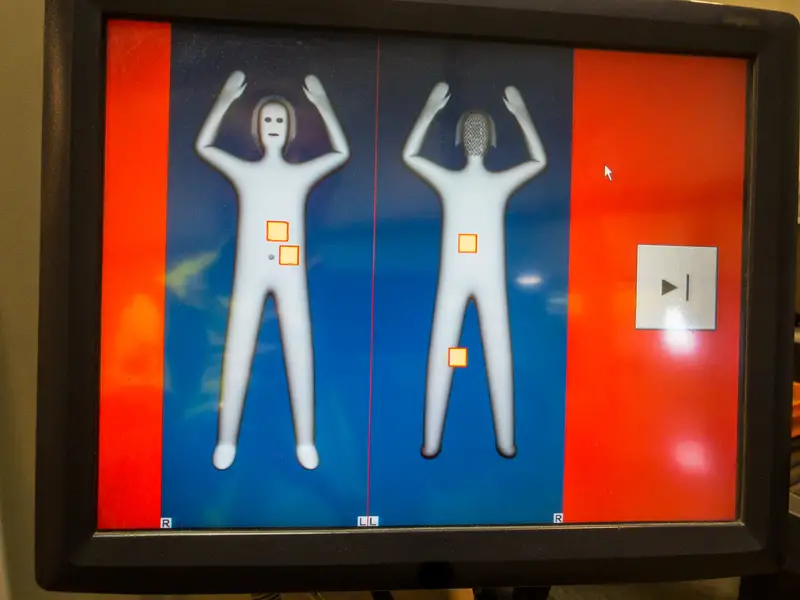
Love wearing a glittery top or a sequin-covered sweater? The TSA has some bad news. The agency posted a warning on Facebook telling travelers that body scanners don’t do well with sparkles. Those tiny reflective pieces on your shirt can confuse the scanning technology. When the machine can’t get a clear read, a TSA agent has to step in and do additional screening. That means a pat-down, extra time, and a longer wait for everyone behind you in line.
This is especially important during the holiday season when festive outfits are everywhere. That ugly Christmas sweater covered in sequins and metallic thread? Save it for the office party, not the airport. The same goes for glittery New Year’s Eve outfits or anything with a lot of metallic embellishments. A plain sweater or T-shirt will get you through the line much faster. Pack the sparkly stuff in your suitcase instead.
Bulky sweaters may need to come off
Think a cozy oversized sweater is the perfect plane outfit? Think again. The TSA considers large sweaters to be “light outer garments.” That puts them in the same category as jackets and coats. This means a TSA officer might ask you to take it off and place it in a screening bin. If there’s nothing underneath but a bra or undershirt, that creates an awkward situation at a very public checkpoint. Nobody wants to deal with that.
The same rule applies to cardigans and hoodies. Whether or not an agent asks you to remove these items often depends on the specific person working the line. Some agents let fitted sweaters slide. Others want everything off. The safest bet is to always wear a T-shirt or tank top underneath any sweater, hoodie, or cardigan. That way, if you’re asked to strip a layer, you won’t be caught off guard.
Metal jewelry can trigger the detector
Big hoop earrings, chunky bracelets, and layered necklaces might look amazing. But they can absolutely set off the metal detector. When that happens, you’ll likely face a secondary screening. That could involve a pat-down or a trip through the body scanner for a closer look. It adds minutes to a process that already feels like it takes forever. And if you’re running to catch a connecting flight, those minutes really matter.
The TSA does allow jewelry in both carry-on bags and checked luggage. But here’s an important tip: never put valuable jewelry in checked bags. Keep it with you at all times. If you’re traveling with expensive pieces, you can even ask a TSA officer to screen you in private. The best approach is to wear minimal jewelry through security. Put the statement pieces in your carry-on and put them on after you’ve cleared the checkpoint.
Belts will slow you down every time
This one seems obvious, but plenty of people still forget. Belt buckles are made of metal. Metal sets off detectors. TSA rules require you to remove your belt before going through screening. So if you’re wearing one, you’ll need to unbuckle it, slide it off, and drop it in a bin. Then you pick it up on the other side and thread it back through all the loops. It’s a hassle that’s completely avoidable.
The easiest solution? Just don’t wear a belt to the airport. Choose pants or jeans that fit well enough on their own. Elastic waistbands and drawstring pants are perfectly acceptable airport attire. If you absolutely must wear a belt, take it off before you reach the front of the line. Have it ready to go into the bin alongside your phone and wallet. A little preparation goes a long way at airport security.
Complicated shoes are a bad idea
Most airport security checkpoints require travelers to remove their shoes. That means those knee-high lace-up boots or strappy gladiator sandals will become a real problem. Imagine bending down to untie a dozen tiny buckles while a line of impatient travelers watches. Then you have to put them all back on afterward. It’s stressful, time-consuming, and not worth the fashion statement. Airports are big places with a lot of walking, so comfort matters too.
The best shoes for airport security are slip-on sneakers, loafers, or simple flats. Anything that comes on and off in seconds is ideal. Also, always wear socks. Walking through the security checkpoint barefoot is not only unpleasant — it’s also kind of gross. Think about how many thousands of feet have walked across that same floor. A good pair of socks and easy shoes make the whole process much smoother for everyone involved.
Baggy clothing invites extra screening
Loose, oversized clothing might be comfortable, but it raises red flags at security. When TSA agents can’t tell what’s underneath your clothes, they may pull you aside for additional screening. Low-hanging pants, flowy skirts, heavy sweatshirts, and loose dresses all fall into this category. The body scanner works best when clothing fits closer to the body. Anything too loose can hide objects, and that makes TSA officers nervous.
This doesn’t mean you need to wear skin-tight clothing. Just aim for a reasonable fit. A pair of well-fitting jeans and a normal T-shirt will never cause problems. Save the oversized streetwear look for after you land. A pat-down inspection isn’t the end of the world, but it does take time and can feel uncomfortable. Wearing clothes that fit properly is the simplest way to avoid that situation altogether.
Bobby pins and hair clips can cause problems
Here’s one that catches a lot of people off guard. A head full of bobby pins or metal hair clips can set off the metal detector. One or two probably won’t cause an issue. But a fancy updo held together by a dozen metal pins might send you right into secondary screening. The detector picks up on metal, no matter how small the pieces are. It doesn’t know the difference between a bobby pin and something suspicious.
The TSA does allow bobby pins in carry-on bags, so there’s no reason to wear them all at once. Toss them in a small bag and style your hair after security. Or switch to plastic clips and fabric hair ties for the trip through the checkpoint. It’s a small change that can prevent a frustrating hold-up. These tiny metal accessories are easy to overlook when getting dressed, but TSA scanners don’t miss them.
Clothing with metal buttons or studs
Some jackets and jeans come loaded with metal details. Think rivets, snaps, decorative studs, and oversized buttons. While a regular pair of jeans with small rivets usually won’t cause a problem, a leather jacket covered in metal studs is a different story. The more metal on your outfit, the more likely the scanner or detector will flag something. And once you’re flagged, it’s time for additional screening steps.
This also applies to clothing with metal fasteners like zippers in unusual places. A jacket with one front zipper is fine. But a punk-rock vest with chains and zippers everywhere might slow you down significantly. When picking an outfit for travel day, look at your clothes and count the metal pieces. If there’s a lot of hardware, swap it for something simpler. The goal is to look boring enough that TSA barely gives you a second glance.
Offensive or threatening clothing could get you stopped
The TSA itself might let you through with a questionable T-shirt. But that doesn’t mean you’re in the clear. Airlines have their own dress codes. Clothing with offensive images, threatening language, or inappropriate messages can get you denied boarding. That means you made it through security just fine, only to get turned away at the gate. Some airlines have been known to refuse passengers over graphic shirts or hats with aggressive slogans.
It’s worth remembering that airports are full of families, children, and people from all walks of life. What seems funny on a T-shirt at home might not play well at 30,000 feet. The TSA notes that while they don’t specifically ban any clothing, their officers make final decisions about what’s allowed through a checkpoint. Playing it safe with neutral, inoffensive clothing is always the smart move when flying.
Getting through airport security doesn’t have to be a stressful ordeal. Most delays are caused by simple wardrobe choices that could have been avoided. Wear fitted, comfortable clothes with minimal metal. Choose slip-on shoes and skip the sparkles. Pack the statement jewelry and the oversized hoodie in your bag. A little thought before leaving the house can save a lot of time and hassle at the checkpoint. Your fellow travelers will thank you, too.

