

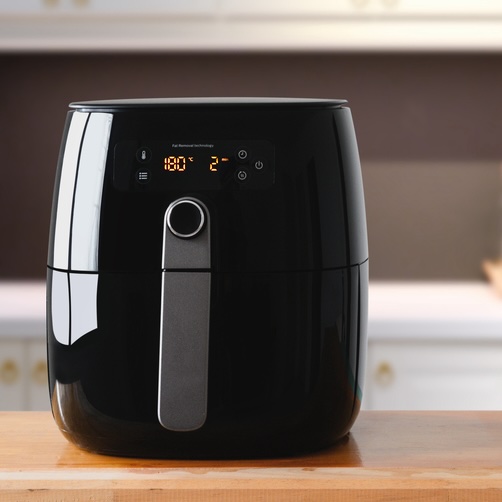
Air fryers have been sitting on kitchen counters across America for years now, and yet most people still don’t fully understand what they bought. Some swear by them. Others let them collect dust next to the blender. The truth is, there are a bunch of things about air fryers that the box doesn’t mention and the commercials skip right over. Whether you already own one or you’re thinking about getting one, here’s what actually matters.
It’s not actually a fryer at all
This is probably the biggest thing most people don’t realize. An air fryer does not fry food. There is no pool of bubbling oil inside it. There’s no batter getting golden in hot grease. What you’re really using is a small, powerful fan that blows very hot air around your food at high speed. That’s it. It’s basically a compact version of a convection oven, just shaped differently and marketed under a much catchier name. The word “fryer” is doing a lot of heavy lifting here.
As Consumer Reports testing found, the device is “essentially a convection oven” that circulates heat using a fan. Food sits in a small basket, and the hot air moves around it quickly. That’s what creates the crispy outside. So if you’ve been wondering why your air-fried chicken doesn’t taste exactly like KFC, now you know. It was never going to. The name is misleading from the start, and that confusion is what sets people up for letdowns.
The marketing promises are seriously overblown
Open up any air fryer box and the packaging is full of big, bold claims. Things like “75% less fat” and “crispy fried food with fewer calories” are printed right on the front. These aren’t outright lies, but they paint a picture that doesn’t match reality very well. You do use less oil, sure. That part is true. But less oil also means less of that rich, satisfying crunch that real deep-fried food gives you. There’s a trade-off that nobody puts on the label.
A multimedia content creator at Consumer Reports put it well when she said manufacturers are “really promising you the moon.” The whole pitch is that you get all the good stuff without any of the downsides. But that’s just not how cooking works. You can get food that’s crispy and tasty, absolutely. But it won’t taste like something that was submerged in a vat of peanut oil. Once you accept that, the air fryer becomes a lot more useful and a lot less frustrating.
Deep-fried taste is not what you’ll get
If you bought an air fryer hoping to make restaurant-quality fried chicken at home, you’re going to be let down. That oily, battered, golden shell that makes fried food so addictive? An air fryer simply cannot replicate that. It doesn’t have the mechanism. Real frying involves submerging food in oil, which creates a specific chemical reaction between the batter and the fat. Air fryers skip all of that, so the result is something different. Not bad, just different.
Consumer Reports testers who tried air-fried chicken said that while they liked the food, nobody thought it tasted like deep-fried. As one writer from Wired noted, “fried is fried, and air fried is not that.” That’s a pretty direct way to say it. So manage those expectations now. Think of the air fryer as its own cooking tool, not a stand-in for something else. Once that mental shift happens, you’ll probably enjoy using it a whole lot more.
Vegetables might be its real superpower
Here’s the part that actually surprised a lot of people, including the professional testers. Air fryers do an incredible job cooking vegetables. Seriously. While everyone is busy trying to air-fry mozzarella sticks and chicken tenders, the machine is quietly turning out perfect asparagus, cauliflower, and corn on the cob. The fast, intense heat blisters vegetables in a way that makes them crispy on the outside and tender on the inside. It’s legitimately one of the best uses for the machine.
During testing, Consumer Reports found that air-fried asparagus came out so well that even a tester’s picky-eater kids loved them. That says a lot. Getting a child to eat asparagus is no small feat. The air fryer also handled salmon beautifully. So while most people buy an air fryer for the fries and the nuggets, the real win might be everything else. Next time you’re about to roast broccoli in the oven for 30 minutes, try tossing it in the air fryer instead.
Overcrowding the basket ruins everything
One of the most common mistakes people make with air fryers is stuffing too much food into the basket. It’s tempting. The basket looks like it can hold a decent amount, and nobody wants to cook in multiple batches. But when the basket is packed too full, the hot air can’t move around the food properly. Instead of getting that nice crispy exterior, everything comes out soggy and unevenly cooked. It defeats the entire purpose of the machine.
The key to getting good results is giving food enough room to breathe. Spread things out in a single layer whenever possible. If you’re cooking fries, don’t pile them on top of each other. Same goes for chicken wings or anything else. Yes, it means cooking in batches sometimes. That’s annoying, but the air won’t circulate otherwise, and mushy fries aren’t worth saving five minutes. A little patience here goes a long way toward actually enjoying what comes out of the basket.
Food can burn before you even notice
Unlike a regular oven where you can peek through the glass door, air fryers keep your food hidden away inside a closed basket. There’s no window to check on things. The cooking happens fast, and because the heat is so intense and concentrated, food can go from perfectly done to charred in a very short time. This catches a lot of people off guard, especially when they first start using the machine. It’s not forgiving if you walk away.
The speed of air fryers is one of their biggest selling points, but it’s also what makes them tricky. A few minutes can make the difference between golden brown and burnt. The best approach is to pull the basket out and check on things partway through cooking. Most baskets slide out easily without stopping the machine. Shake the basket a bit, look at the food, and slide it back in. It only takes a few seconds and saves you from throwing out a batch of blackened nuggets.
Size and price vary way more than expected
Walk into any Target or Walmart and you’ll see air fryers ranging from about $40 all the way up to $200 or more. That’s a huge spread. And here’s what’s interesting—the actual quality of the food that comes out of these machines is surprisingly similar across the board. Consumer Reports found that the food results were so consistent between models that they stopped scoring based on food quality altogether. That’s a pretty telling detail.
So what actually separates a $40 air fryer from a $200 one? Mostly basket size, ease of cleaning, and noise level. If you’re cooking for one or two people, a smaller, cheaper model might work just fine. If you’ve got a family to feed, a bigger basket means fewer batches and less waiting around. But don’t assume that spending more money automatically means better food. It usually just means more room and a quieter machine. That’s worth knowing before you drop $200 on the fanciest model on the shelf.
It cooks dinner faster than your regular oven
How many times have you dreaded turning on the oven just to heat up some chicken or roast some potatoes? Ovens take forever to preheat. Then the actual cooking takes another 30 to 45 minutes. By the time dinner is done, an hour has passed and everyone is already snacking on chips. Air fryers cut that time down dramatically. Most don’t need preheating at all, and cooking times are often cut in half compared to a standard wall oven.
This is actually one of the strongest reasons to own an air fryer. If you think of it as a faster, more efficient way to cook weeknight meals, it starts making a lot of sense. Frozen chicken tenders in 12 minutes. Salmon fillets in 10. Roasted veggies in 8. On a busy Tuesday night when nobody feels like cooking a big meal, the air fryer earns its counter space. It won’t replace your oven for a Thanksgiving turkey, but for everyday meals, it’s legitimately faster and easier.
It could end up collecting dust like everything else
Remember the hot-air popcorn popper? How about the bread maker that sat on the counter for two months before getting shoved into a cabinet? Kitchen appliances have a long history of being wildly popular and then completely forgotten. Air fryers could follow the same path. There’s a real question about whether this appliance has staying power or whether it’s just another trend that fades once the excitement wears off. Not every gadget earns a permanent spot in the kitchen.
That said, air fryers do have a strong and loyal following. Facebook communities dedicated to air fryer recipes are massive, with thousands of people sharing tips and meals every day. That kind of ongoing engagement suggests the air fryer might stick around longer than the average kitchen fad. But it all depends on whether people keep using them past the honeymoon phase. If yours is already buried behind the slow cooker, maybe it’s time to pull it back out and give it another shot.
At the end of the day, air fryers are a solid kitchen tool—just not the miracle machine the packaging wants you to believe. They cook fast, handle vegetables beautifully, and take up less space than a full oven. But they won’t replace deep frying, and they require a little learning curve to use well. The people who love their air fryers the most are the ones who stopped expecting perfection and started appreciating what the machine actually does best.

