

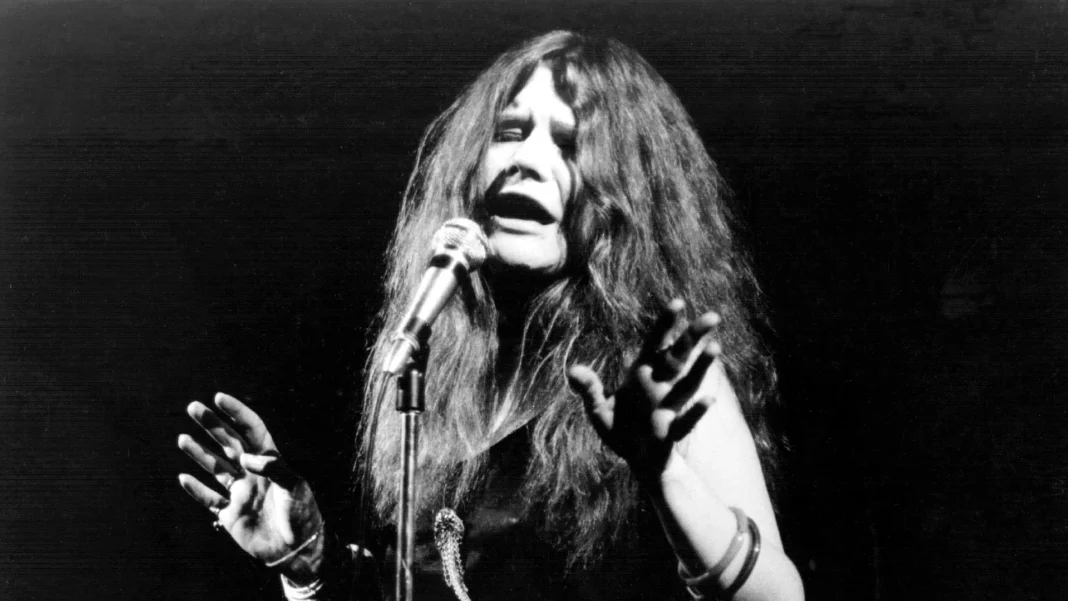
Four days before her death in 1970, Janis Joplin sat down for what would become her final recorded conversation. The interview reveals something most people never knew about the rock legend: she was incredibly insecure and deeply wounded by critics. Instead of the wild, carefree performer everyone thought they knew, Joplin showed herself to be complex, thoughtful, and struggling with rejection in ways that might surprise anyone who only knew her stage persona. What she said in those final moments offers a window into the real person behind the headlines.
She canceled the interview because of one brutal magazine review
The interview with Howard Smith from the Village Voice was originally scheduled for mid-August 1970, but Joplin canceled it. She was too upset to talk after Rolling Stone published a harsh piece about her that included calling her jewelry choices garish and comparing her to a “Babylonian whore.” For someone who projected such confidence on stage, this kind of criticism cut deep. Most people assumed Joplin brushed off negative comments, but the truth was far different. She took these words personally and let them affect her in ways that interfered with her professional commitments.
When she finally agreed to reschedule the conversation for late September, the damage was still visible in how she spoke. The interview happened on September 30, 1970, just four days before her death from a heroin overdose. Smith later included this recording in The Smith Tapes Box Set, an archive of his conversations with cultural icons like John Lennon, Jim Morrison, and Jerry Garcia. The timing makes everything Joplin said in this interview feel heavier, as if she was unknowingly leaving behind a final statement about who she really was underneath the fame and the spotlight.
Her most famous quote came from this final conversation
During the interview, Joplin made a statement that would become one of her most repeated quotes: “You are what you settle for. You are only as much as you settle for.” These words took on a haunting quality after her death, making people wonder what she meant by them and whether she was talking about her own life. The phrase suggests someone who refused to accept less than what she wanted, yet her struggles with addiction and rejection painted a more complicated picture. Was she living by these words, or were they aspirational, something she wished she could fully embrace?
The quote has been repeated countless times since 1970, often stripped of its context. People use it as motivation, as a reminder not to compromise on dreams or standards. But hearing it in the original interview reveals layers that get lost in social media posts. Joplin spoke these words as someone who was grappling with what settling meant in her own life. She was trying to figure out how to balance her artistic vision with commercial success, her need for acceptance with her desire to remain authentic. The statement wasn’t just advice for others; it was something she was working through herself.
The interview showed her contradictions as a person
What makes this final conversation so compelling is how it captured Joplin’s inner contradictions. She came across as someone who was simultaneously insecure yet full of conviction about her music. She had strong opinions about art and authenticity but worried constantly about offending people or being misunderstood. The fierce performer who commanded stages and seemed fearless was also tenderhearted and vulnerable to criticism. These weren’t flaws or inconsistencies; they were what made her human. Most people never got to see this side of her because the public image of Janis Joplin was so powerful and overwhelming.
Smith’s interview style allowed these contradictions to surface naturally. He wasn’t pushing for sensational answers or trying to create controversy. Instead, he gave Joplin space to talk about creativity, rejection, and what it meant to be an artist in a world that often misunderstood her. The conversation revealed someone who was thoughtful and self-aware, not just the wild child that newspapers loved to write about. Joplin talked about her work with a seriousness that contrasted sharply with her party-girl reputation, showing that she cared deeply about her craft and took her role as an artist seriously.
The interview aired after her death shocked everyone
Howard Smith made the difficult decision to air the interview just four days after Joplin died on October 4, 1970. Listeners heard her voice and her thoughts with the knowledge that she was already gone, which changed everything about how they received her words. What might have been an interesting but routine interview with a rock star became something much more significant: a final testament from someone who died far too young. People listened differently, searching for clues or hidden meanings in everything she said. The tragedy of her death transformed the conversation into something almost sacred, a last message from beyond.
The timing raised questions about whether the interview should have been broadcast at all. Some felt it was an important piece of history that deserved to be heard, while others wondered if it was exploitative to air such personal reflections immediately after her death. Smith ultimately decided that Joplin’s words deserved to be heard, and the interview became part of her legacy. It offered a counterpoint to the sensational headlines about her death and gave people a chance to hear her speak for herself about creativity, art, and life as a performer in her own words rather than through the filter of journalists and critics.
An animated version brought new attention decades later
In 2013, the nonprofit multimedia group Blank on Blank created an animated version of the interview that introduced Joplin’s final conversation to a new generation. The animation used Joplin’s actual voice from the original recording and paired it with visual storytelling that brought her words to life in a fresh way. This wasn’t just a gimmick; the animation helped people who weren’t alive in 1970 connect with Joplin’s story and understand what she was talking about. The video format made the interview accessible to people who might never have listened to an audio-only recording, especially younger viewers who were more accustomed to visual media.
Blank on Blank had previously created similar projects featuring David Foster Wallace and Maurice Sendak, turning archived audio interviews into engaging animated shorts. Their treatment of the Joplin interview was particularly effective because it captured both the sadness and the strength in her voice. The animation showed Joplin in different settings, performing and alone, reflecting the duality she expressed in her words. This project helped ensure that her final thoughts on creativity and rejection wouldn’t be forgotten or buried in archives, but would continue to reach new audiences who could learn from what she had to say about art and authenticity.
Her thoughts on creativity revealed her artistic philosophy
Throughout the interview, Joplin talked extensively about what creativity meant to her and how she approached making music. She didn’t see herself as just an entertainer; she viewed her work as something more meaningful and personal. Music wasn’t about following trends or giving audiences what they expected. Instead, it was about expressing something true and real, even if that meant being vulnerable or exposing parts of herself that were painful. This philosophy explains why her performances were so raw and emotional; she was putting genuine feelings into every song rather than just going through the motions of being a rock star.
What’s striking about her discussion of creativity is how seriously she took it despite her reputation for living recklessly. Joplin understood that being an artist required discipline and commitment, not just talent or charisma. She talked about the work involved in creating something meaningful and the difficulty of staying true to her vision when outside pressures pushed her in different directions. Her comments reveal someone who was constantly thinking about her craft and trying to improve, even as she struggled with personal demons. The interview shows that Joplin’s artistic philosophy was more developed and thoughtful than many people realized at the time.
Rejection affected her more than anyone knew
One of the most revealing aspects of the interview was how openly Joplin discussed rejection and how deeply it hurt her. She talked about criticism not as something that rolled off her back but as something that genuinely wounded her. This honesty was unexpected from someone with such a bold public image. Most rock stars of that era projected invincibility and acted like negative reviews didn’t matter, but Joplin admitted that harsh words stayed with her and affected her emotionally. The Rolling Stone article that caused her to cancel the original interview was just one example of how vulnerable she was to outside opinions.
Her discussion of rejection extended beyond professional criticism to personal relationships and social acceptance. Joplin had been an outsider for most of her life, starting in her Texas hometown where she was mocked for her appearance and unconventional personality. Even after achieving fame, she never fully shook the feeling of not belonging or being different from everyone else. The interview suggests that her hard-living lifestyle and intense performances were partly attempts to cope with these feelings of rejection and isolation. Understanding this adds depth to her story and helps explain why someone so talented and successful could still feel so lost.
The interview became part of important archives
Howard Smith’s interview with Joplin was eventually included in The Smith Tapes Box Set, a collection that preserved his conversations with major cultural figures from the late 1960s and early 1970s. This archive is valuable because it captures these artists speaking candidly during a transformative period in American culture. The recordings weren’t heavily edited or sanitized for public consumption; they were real conversations that revealed the personalities and thoughts of people who were shaping music, film, and art. Having Joplin’s final interview preserved in this collection ensures that future generations can hear her actual voice and words rather than relying solely on secondhand accounts.
The box set includes other legendary figures like John Lennon, Jim Morrison, Jane Fonda, James Taylor, and Jerry Garcia, putting Joplin in conversation with her peers and contemporaries. Listening to these interviews together provides insight into what artists were thinking about during this turbulent time in history. Smith had a gift for getting people to open up and speak honestly, which makes these recordings particularly valuable. The fact that Joplin’s interview happened so close to her death gives it added weight within the collection, serving as a reminder of how fragile life can be and how important it is to preserve these moments of genuine human connection.
Books about her life provide additional context
Two books offer deeper insight into Joplin’s life and help contextualize what she said in her final interview. “Scars of Sweet Paradise: The Life and Times of Janis Joplin” is a comprehensive biography that examines her entire life story, from her difficult childhood in Texas through her rise to fame and tragic death. The book helps readers understand the experiences that shaped her views on creativity, rejection, and authenticity. Reading it alongside the interview reveals patterns in her thinking and shows how consistent she was in her beliefs about art and life, even as her circumstances changed dramatically.
Another important book is “Love, Janis,” written by her younger sister Laura Joplin. This memoir-biography offers a family perspective that other accounts lack, providing intimate details about Joplin’s personality and relationships that only someone who grew up with her would know. Laura’s book humanizes Janis in ways that tabloid coverage never could, showing her as a sister, daughter, and friend rather than just a troubled rock star. Together, these books and the final interview create a fuller picture of who Janis Joplin really was and why her voice continues to matter more than fifty years after her death.
Janis Joplin’s final interview stands as a poignant reminder that the people we see on stage or in magazines are far more complex than their public images suggest. Her willingness to discuss insecurity, rejection, and the challenges of staying authentic makes this conversation valuable beyond its historical significance. The words she spoke four days before her death continue to resonate because they address universal human experiences that haven’t changed in fifty years. Anyone struggling with criticism, self-doubt, or the pressure to compromise their values can find something meaningful in what Joplin had to say about settling for what you really want.

