

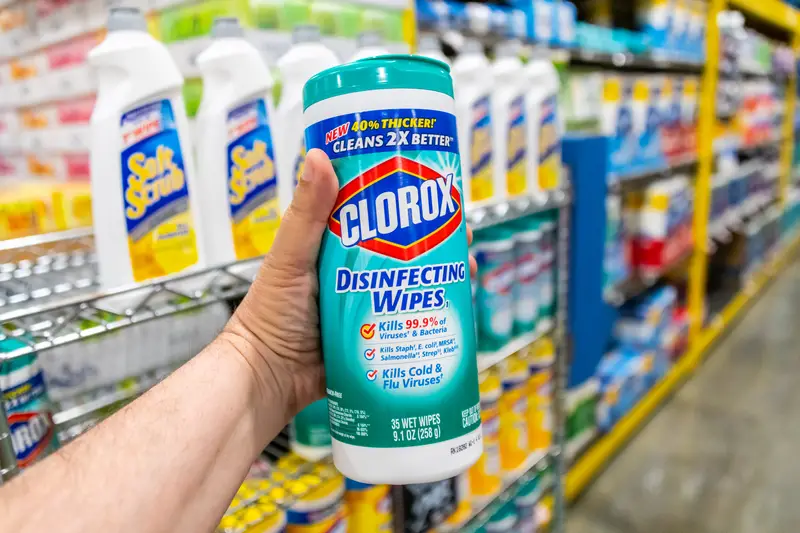
Those colorful containers of cleaning wipes sitting under your sink might be doing more harm than good. While most Americans reached for disinfecting wipes during the pandemic, few stopped to consider what’s actually inside these supposedly helpful products. It turns out that the same chemicals designed to kill germs on your kitchen counter could be causing serious problems for you and your family. Recent studies show these convenient wipes contain pesticides that can affect everything from your breathing to your long-term health, and children face the biggest risks of all.
These wipes contain registered pesticides, not just cleaners
Most people think they’re just grabbing a cleaning product when they pull out a disinfecting wipe. The truth is different. Any product labeled as a disinfectant contains pesticides regulated by the Environmental Protection Agency. Manufacturers must prove these chemicals can kill specific bacteria like Staphylococcus aureus before they can call their product a disinfectant. That’s a far cry from regular soap and water. The active ingredients doing this germ-killing work include bleach, hydrogen peroxide, and quaternary ammonium compounds, which go by the nickname “quats.” These aren’t gentle substances you want lingering on surfaces where kids play or eat.
The labeling on these products should give you pause. Just like pesticides used in gardens or farms, disinfecting wipes carry warnings to keep them away from children. Yet schools across America include them on back-to-school supply lists. Teachers use them in classrooms. Parents hand them to kids to wipe down tables. The disconnect between the warning label and actual use creates a situation where children get exposed to these chemicals regularly. On ingredient lists, quats appear with technical names like alkyl dimethyl benzyl ammonium chloride, making it hard for average shoppers to know what they’re buying.
Your breathing could suffer from regular wipe usage
Breathing problems top the list of health concerns linked to disinfectant wipes. Studies of adults who work with these products regularly, like janitors and healthcare workers, show they develop asthma at higher rates than other workers. Bleach has long been known as a trigger for asthma attacks. Quats present similar risks. The chemicals don’t just affect the person doing the cleaning either. Research shows that particles from disinfectants can remain floating in the air for 20 minutes after someone finishes wiping down surfaces. Anyone walking through that space during those 20 minutes breathes in whatever’s lingering. For people with existing respiratory conditions, this exposure can trigger symptoms.
The risk increases with frequency of use. Think about how often you might grab a disinfecting wipe during cold and flu season. Now multiply that by every surface in your home, school, or workplace. Each use releases more chemicals into the air. Children face particular vulnerability because their bodies are still developing. Their lungs process air differently than adult lungs. They also tend to spend more time close to surfaces adults just cleaned, playing on floors or touching tables before the chemicals fully dry. The San Francisco Asthma Taskforce specifically recommended against bleach-based disinfectants because of the strong association with asthma symptoms.
Quats show up in unexpected places, including breast milk
Here’s something that catches most people off guard. A 2022 study found quaternary ammonium compounds in human breast milk. The mothers with higher levels reported using disinfecting products more frequently in their homes. This discovery raises serious questions about how these chemicals move through our bodies and what that means for infants. Quats don’t just wash away after you wipe a surface. They get absorbed into your skin, breathed into your lungs, and apparently make their way into bodily fluids. Nobody expects a cleaning product to end up in breast milk, but that’s exactly what researchers documented.
The implications go beyond nursing mothers. If these chemicals travel through the body enough to appear in breast milk, they’re likely affecting other systems too. Laboratory studies on animals have shown quats can damage DNA and lower fertility rates. Human studies have connected quats to skin conditions like dermatitis and nose irritation called rhinitis. The fact that these compounds stick around in the body rather than being quickly eliminated makes repeated exposure potentially more dangerous. Every time you use a disinfecting wipe, you’re adding to whatever amount already exists in your system from previous uses.
Schools market these products despite the risks to children
Walk down any school supply aisle in August and you’ll see disinfecting wipes featured prominently. Many teachers request them on classroom supply lists. The marketing specifically targets educational settings. Dawn Gouge, a public health entomologist with the University of Arizona, points out that companies actively market these products to schools and teachers. The child-friendly packaging and classroom-convenient design mask the fact that these are pesticide-containing products. Parents assume anything sold for school use must be safe. Teachers believe they’re protecting students by keeping classrooms disinfected. The reality doesn’t match those assumptions.
Children encounter these wipes differently than adults. They might use them to clean their own desks. They touch surfaces immediately after someone wipes them down, before the chemicals fully evaporate. Their smaller body size means the same amount of chemical exposure has a bigger impact. Kids also put their hands in their mouths more often than adults, transferring whatever chemicals remain on their skin. The warning label says to keep the product away from children, yet the marketing and sales channels put these wipes directly into environments full of kids. This contradiction creates a situation where children face greater exposure risks than other age groups.
Regular soap and water work better than you think
The Centers for Disease Control offers surprisingly simple advice. For most everyday cleaning situations, regular soap and water removes germs effectively. You don’t need special antibacterial formulas. You definitely don’t need pesticide-containing disinfectants. Plain soap breaks down the protective coating around viruses and bacteria, washing them away when you rinse. This method has worked for generations. The pandemic made many people forget that basic cleaning prevents illness just fine for healthy people in normal circumstances. Disinfecting only becomes necessary in specific situations, not for daily routine cleaning.
When should you actually disinfect? The CDC recommends disinfecting when someone in your household is sick or if someone has a weakened immune system. Otherwise, cleaning with soap and water does the job without exposing your family to harsh chemicals. Think about the surfaces you routinely wipe down. Kitchen counters covered in food prep debris need cleaning, not disinfecting. The dining table after dinner needs washing, not pesticide treatment. Door handles and light switches accumulate dirt and oils from hands, which soap removes easily. Saving disinfectants for actual illness situations reduces unnecessary chemical exposure while still protecting health when it matters most.
These chemicals damage surfaces over time
Your electronics, furniture, and fixtures pay a price for disinfecting wipes too. Touchscreens show particularly obvious damage. A study testing different disinfectant wipes on touchscreens found that three out of five products caused discoloration over time. That expensive tablet or smartphone you just wiped down? The screen coating breaks down from repeated exposure to disinfecting chemicals. High-concentration alcohol damages plastics and weakens adhesives. If you’ve noticed rubber seals on containers becoming brittle or plastic items getting harder over time, disinfectants might be the culprit.
Metal surfaces face their own problems. Stainless steel appliances can corrode when exposed to bleach or strong acids found in some disinfectants. The shiny finish develops pits and rough spots that trap bacteria, defeating the whole purpose of disinfecting. Sodium hypochlorite corrodes aluminum and brass. Brass door handles, aluminum window frames, and mixed-metal fixtures all suffer damage from chemicals meant to clean them. These surface problems accumulate slowly. You might not notice anything wrong after one use, but months of regular disinfecting takes a toll. Testing any new disinfectant on an inconspicuous spot before using it widely can save you from ruining visible surfaces.
Safer alternatives exist if you must disinfect
When you absolutely need to disinfect, not all products carry equal risks. Hydrogen peroxide-based disinfectants present fewer problems than bleach or quats. Studies show peroxide products have less potential for respiratory toxicity. The main reported issue with peroxide is eye irritation, which matters less than breathing problems or skin conditions. At concentrations of three percent or below, hydrogen peroxide poses low risk even if someone accidentally swallows a small amount. That safety profile makes it a better choice for homes with children or people with respiratory conditions.
Consumer Reports suggests checking the Environmental Protection Agency’s list of products meeting their Safer Choice Standard. Two common products on that list are Clorox Free & Clear Wipes and Seventh Generation Multi-Purpose Cleaning Wipes. Neither claims to kill germs and viruses. They’re designed to cut grease and grime, which is what most daily cleaning actually requires. If you genuinely need disinfecting power, look for peroxide-based options and always use them in well-ventilated areas. Open windows while cleaning. Turn on exhaust fans. Give chemicals time to dissipate before children or pets enter cleaned areas.
Wiping down surfaces requires proper technique to work
Even if you decide disinfecting is necessary, using wipes incorrectly wastes effort and increases chemical exposure. Disinfectants need contact time with surfaces to actually kill germs. That time is called the dwell time. Most people wipe a surface and consider it done. The chemicals don’t work that way. Each product lists a specific dwell time on its label, usually ranging from 30 seconds to several minutes. The surface must stay visibly wet for that entire period. If it dries before the dwell time ends, the disinfectant hasn’t had enough time to kill what it claims to eliminate.
After the dwell time passes, you should wipe the surface again with a clean cloth or paper towel. This removes the remaining disinfectant chemicals. Leaving them on the surface means anyone touching that spot gets the chemicals on their skin. It also means more chemicals evaporate into the air over time. Wiping after the appropriate dwell time reduces exposure to building occupants without affecting the germ-killing action. Always clean a surface with regular soap and water before disinfecting too. Disinfectants work best on already-clean surfaces. Dirt, grease, and food particles block the chemicals from reaching germs underneath.
You’re probably overdoing the disinfecting routine
The pandemic created habits many people haven’t questioned since. Disinfecting everything that comes through the door made sense in early 2020 when nobody understood how viruses spread. Now we know better. Most germs die naturally on surfaces within hours or days. Regular cleaning removes them before they multiply. Unless someone sick recently touched a surface or you’re caring for someone immunocompromised, disinfecting adds chemical exposure without meaningful health benefits. Your kitchen counter doesn’t need disinfecting after making sandwiches. Your bathroom sink doesn’t require pesticide treatment after washing hands.
Consider the surfaces you clean most often. Tables, counters, and door handles benefit from regular washing with soap and water. Toilets need thorough cleaning but only require disinfecting during illness outbreaks. Cleaning professionals have the highest rates of occupational asthma because they work with these products constantly. You don’t need to put yourself or your family at similar risk for routine housekeeping. Save the strong chemicals for genuine need. Your lungs, skin, and household surfaces will thank you. The convenience of grabbing a disinfecting wipe doesn’t outweigh the documented health risks these products carry.
Those bright containers of disinfecting wipes promised easy cleaning and germ protection. The reality involves pesticides, breathing problems, and chemicals showing up in places they don’t belong. Most daily cleaning needs nothing more than soap and water. When you absolutely must disinfect, choose products with safer ingredients, use them correctly, and make sure areas are well-ventilated. Your family’s health matters more than convenience, and knowing what’s really in those wipes helps you make better choices for your home.

