

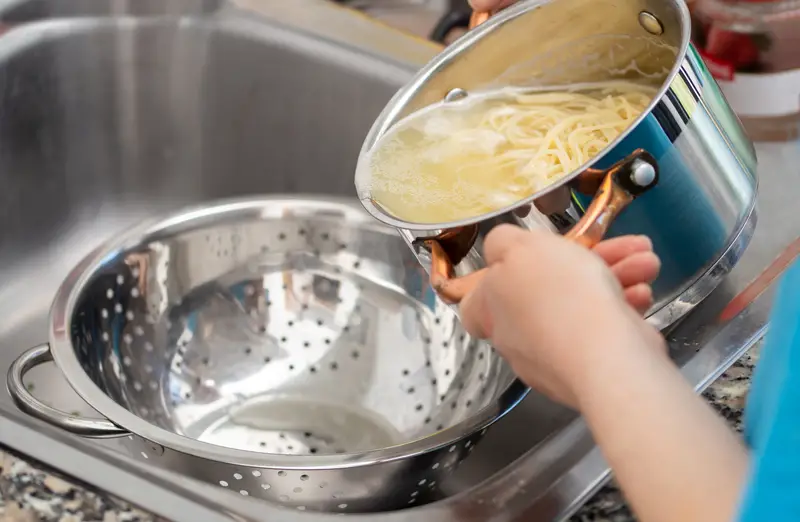
When your kitchen sink starts draining slower than usual, grabbing the kettle seems like the obvious fix. After all, hot water cuts through grease, right? Wrong. Plumbers across the country are warning homeowners that this common household habit could turn into an expensive nightmare, especially during winter months. The practice that many people swear by might actually be destroying your pipes from the inside out. While it sounds counterintuitive, that steaming pot of water you’re about to dump could cause cracks, leaks, and thousands of dollars in repair bills.
Your PVC pipes can’t handle the heat
Most modern homes built since the 1980s have pipes made from polyvinyl chloride. This plastic material works great for everyday plumbing needs because it’s affordable and easy to install. However, PVC has a serious weakness when it comes to high temperatures. The material starts softening at 140 degrees Fahrenheit, and boiling water reaches 212 degrees. That’s a dangerous gap that can spell disaster for your plumbing system. When that super-heated water hits your pipes, the plastic can warp, sag, and develop hairline cracks at joints and bends where pipes connect.
The real problem gets worse over time because you won’t notice the damage right away. Those tiny cracks and loose joints don’t immediately flood your kitchen. Instead, they create slow drips that soak into cabinets and walls for weeks or months before you spot water damage. According to plumbing experts, the glue bonds that hold PVC pipes together can also break down when exposed to extreme heat. Even the rubber gaskets that create watertight seals can soften and fail, leading to leaks in hidden spaces behind walls.
Winter makes the thermal shock even worse
Cold weather creates the perfect storm for pipe damage when combined with boiling water. During winter months, your pipes get much colder than usual, especially in exterior walls or unheated spaces like basements and crawl spaces. Some pipes might sit just a few degrees above freezing depending on how well your home is insulated. When 212-degree water suddenly rushes through a pipe that’s barely above 32 degrees, the rapid temperature change causes what’s called thermal shock. The pipe material expands extremely fast, which stresses weak points and creates new cracks where none existed before.
Professional plumbers report seeing this problem constantly throughout winter. The combination of cold pipes and hot water creates a push-pull effect that’s particularly damaging. As plumbing professionals explain, cold temperatures make pipes contract and pull away from their connections slightly. When boiling water flows through, the pipes expand rapidly but the expansion isn’t uniform. This creates jagged edges at joints that eventually turn into full breaks. The worst part is these failures often don’t show up until spring when temperatures rise again and the damage becomes catastrophic.
Metal pipes aren’t safe from damage either
Older homes typically have copper or galvanized steel pipes instead of PVC, and many homeowners assume these metal pipes can handle any temperature. While metal pipes do tolerate heat better than plastic, they’re not invincible. Copper and steel pipes in homes built before 1980 have likely experienced decades of wear and tear. The repeated heating and cooling cycles, along with mineral deposits and corrosion, make these older pipes surprisingly fragile. Cast iron pipes found in some vintage homes are especially vulnerable because the material becomes brittle with age.
The same thermal shock principle applies to metal pipes during winter months. Sudden temperature changes create stress fractures and small leaks at joints where pipes connect with fittings. Many of these problems stay hidden for weeks because the damage starts small. Plumbing experts warn that a tiny drip can turn into a major break once warmer weather arrives and the metal expands again. The repairs get expensive quickly because accessing pipes inside walls or under floors requires opening up cabinets, drywall, and sometimes even flooring. It’s simply not worth the risk when safer alternatives exist.
Boiling water doesn’t actually clear clogs effectively
Even if boiling water didn’t damage pipes, it wouldn’t solve your drainage problem. The main culprit behind slow drains is FOG, which stands for fats, oils, and grease. When you pour bacon grease or cooking oil down the drain, it travels through your pipes as a liquid. However, once that grease hits a cold section of pipe further down the line, it solidifies and sticks to the pipe walls. Food particles then get trapped in the hardened grease, creating a stubborn clog that grows bigger over time.
Pouring boiling water on this type of clog only pushes the grease a short distance before it cools down and hardens again. You might see temporary improvement as the hot water melts a small section, but the blockage just moves to a different spot in your pipes. According to professional plumbers, this makes the clog tighter and harder to clear because the grease acts like glue. The cycle continues each time you pour more boiling water, and eventually you end up with a completely blocked pipe that needs professional cleaning to fix.
Use enzyme cleaners for natural drain clearing
Enzyme-based drain cleaners offer a safe and effective alternative to boiling water or harsh chemicals. These products contain natural bacteria and enzymes that break down organic matter like grease, food particles, and soap scum. Unlike caustic drain openers that can corrode pipes over time, enzyme cleaners actually improve your plumbing system by eating away at buildup without creating any damage. They work slowly over several hours, so you typically pour them in before bed and let them work overnight.
The main advantage of enzyme cleaners is their gentle approach. They’re safe for all types of pipes including PVC, copper, and cast iron. You can use them regularly as a preventative measure to keep drains flowing smoothly. Plumbing professionals recommend using enzyme cleaners once a month to prevent clogs from forming in the first place. Products like Green Gobbler are available at most hardware stores and work well for maintenance. Just pour the recommended amount down your drain, let it sit overnight, then flush with warm tap water in the morning.
A plunger solves most clogs faster than hot water
Every homeowner should keep a proper drain plunger in their cleaning supplies. Not the toilet plunger with a flange, but a flat cup-style plunger designed for sinks and tubs. When you have a slow drain, fill the sink with a few inches of warm tap water first. Then place the plunger over the drain opening and push down firmly to create a seal. Pump the plunger up and down vigorously about fifteen to twenty times. The suction and pressure force water through the clog, breaking it apart and pushing debris through the pipes.
This mechanical method works immediately and costs nothing except the initial plunger purchase. Models like the Korky BeehiveMAX cost less than twenty dollars and last for years. The technique works because you’re using water pressure to blast through blockages rather than relying on heat to melt them. If plunging doesn’t clear the drain after a few attempts, move on to a drain snake rather than reaching for the kettle. Plumbing experts suggest that physical removal of clogs is always more effective than chemical or thermal methods for stubborn blockages.
Drain snakes reach deeper clogs that plungers miss
When plunging doesn’t work, a drain snake is your next best option. These flexible tools feature a coiled wire that you feed into the drain opening. As you push the snake deeper into the pipe, you can feel when it hits the clog. Most hand-crank models have a handle that lets you rotate the wire, which breaks up the blockage or hooks onto it so you can pull it out. Drain snakes are available in different lengths, with twenty-five foot versions handling most household clogs. They work great for hair buildup in bathroom sinks and tubs.
Using a drain snake requires some patience but no special skills. Feed the wire slowly into the drain, turning the handle as you go. When you hit resistance, that’s your clog. Work the snake back and forth while rotating to break through the blockage. Products like the Drainsoon Drain Auger cost around thirty dollars and handle years of use. According to plumbing advice, homeowners who keep both a plunger and a drain snake on hand can solve most drainage issues without ever calling for professional help or risking pipe damage from boiling water.
Hot tap water with dish soap prevents future clogs
The best approach to drain maintenance is preventing clogs before they start. After cooking meals that involve grease or oil, squirt some dish soap down your drain and run hot tap water for thirty to sixty seconds. Notice we said hot tap water, not boiling water. Your water heater produces water around 120 to 140 degrees, which is hot enough to keep grease suspended and flowing without risking pipe damage. The dish soap helps emulsify the grease so it doesn’t stick to pipe walls as it travels through your plumbing system.
This simple habit takes less than a minute but saves you from dealing with slow drains later. Dawn dish soap works particularly well because it’s designed to cut through grease. Make this part of your cleanup routine every time you cook. Professional plumbers emphasize that prevention is always cheaper than repairs. Wipe out pans with paper towels before washing them to remove excess grease. Install sink strainers to catch food particles before they enter your pipes. These small preventative steps keep your drains flowing smoothly year-round.
When to call a professional plumber instead
Some drainage problems require professional equipment and expertise. If you’ve tried plunging, snaking, and enzyme cleaners without success, it’s time to call a licensed plumber. Warning signs include multiple drains backing up at once, gurgling sounds coming from pipes, or sewage odors in your home. These symptoms indicate a serious blockage in your main sewer line that needs immediate attention. Plumbers use specialized tools like hydro-jetters that blast high-pressure cold water through pipes to clear even the toughest clogs safely.
Hydro-jetting costs about the same as professional snaking but delivers much better results. The cold water pressure removes grease, tree roots, and mineral buildup without thermal shock damage. If your pipes recently froze and thawed, plumbing professionals advise avoiding hot water entirely until a plumber inspects for damage. Calling for help early prevents small problems from becoming major disasters. The service call costs far less than repairing cracked pipes inside walls. Most importantly, professional plumbers can identify underlying issues that DIY methods can’t address.
Taking care of your home’s plumbing doesn’t require extreme measures or dangerous shortcuts. Skip the boiling water and stick with proven methods that protect your pipes while actually solving drainage problems. Your future self will thank you when you avoid expensive repair bills and water damage headaches. Keep that kettle on the stove where it belongs and reach for the plunger instead.

