

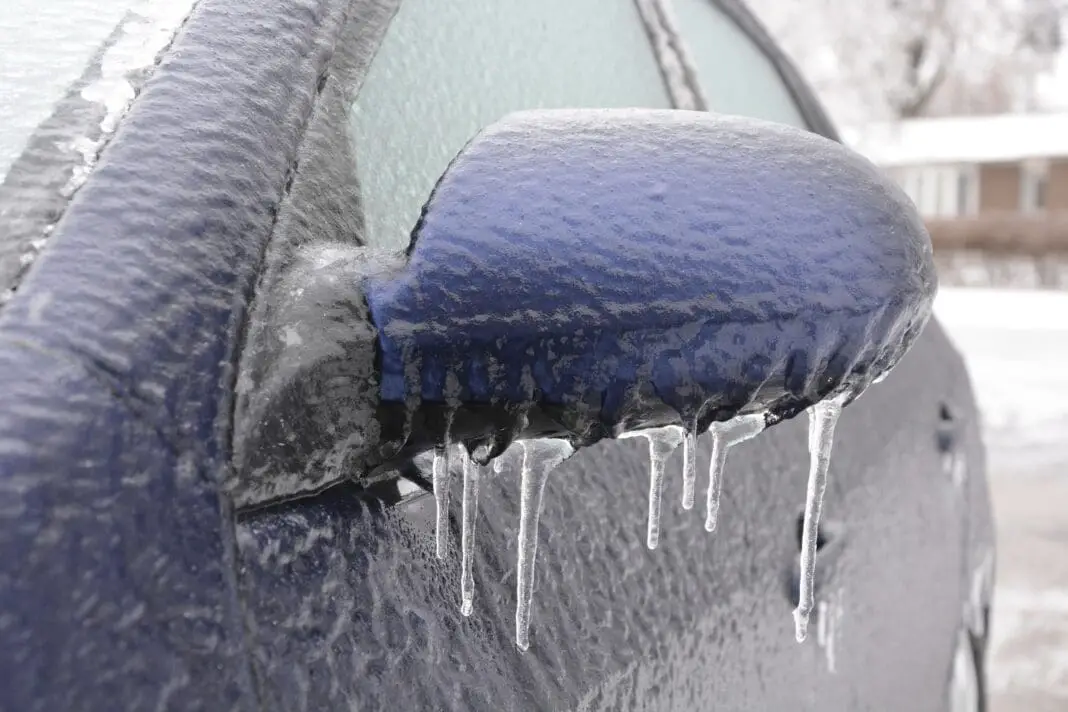
Your car might seem tough, but it has a secret weakness: temperature. Whether you’re dealing with a frozen windshield in January or a boiling hot parking lot in August, the weather is working against your vehicle. Cold snaps can leave you stranded with a dead battery, while summer heat can turn your engine oil into a thin, useless liquid. The good news is that understanding these problems can help you avoid expensive repairs and frustrating breakdowns. From your tires to your battery to the screens on your dashboard, temperature swings affect almost every part of your car in ways you might not expect.
Your tire pressure changes without you touching anything
Have you ever noticed your tire pressure warning light popping on during a cold snap? That’s not a glitch. When temperatures drop, the air inside your tires contracts and takes up less space. This means your tires become underinflated even though you didn’t drive over any nails or hit any potholes. The opposite happens in hot weather. Air expands when it heats up, which can lead to overinflated tires. Both situations are bad news for your car’s handling and safety.
Incorrect tire pressure does more than just trigger an annoying dashboard light. Underinflated tires reduce traction, which is especially dangerous on icy or wet roads. They also wear unevenly and can reduce your gas mileage. Overinflated tires are more likely to blow out, particularly on hot summer highways. The Car Care Council recommends checking your tire pressure at least once a week during extreme weather. You might also consider switching to winter tires when temperatures consistently drop below freezing.
Cold weather is your battery’s worst enemy
There’s nothing worse than turning your key on a freezing morning and hearing nothing but a sad clicking sound. Cold temperatures slow down the chemical reactions inside your car battery. This makes it harder for the battery to produce the power needed to start your engine. If your battery is already a few years old, a cold snap might be the final straw that kills it completely. Winter mornings are when most dead batteries happen.
The good news is that you can prepare for this problem before it leaves you stranded. Have your battery tested before winter arrives, especially if it’s more than three years old. Keep the battery connections clean and free of corrosion. If you live somewhere that gets extremely cold, consider buying a battery warmer. These devices typically cost between $30 and $70 at most auto parts stores. Keeping jumper cables in your trunk is also a smart backup plan for those unexpected dead battery moments.
Engine oil turns into molasses when it’s freezing
Oil keeps your engine’s moving parts running smoothly by reducing friction. But here’s the problem: oil gets thicker as temperatures drop. According to James Grant, who owns an auto repair shop in Fairbanks, Alaska, oil can become so thick at about 20 degrees below zero that the engine’s oil pump struggles to circulate it. He compares it to trying to pour molasses. When oil can’t flow properly, your engine doesn’t get the protection it needs during startup.
Switching to a low-viscosity oil in winter can help solve this problem. Synthetic oils are particularly good at maintaining their flow in cold conditions. They can perform well in temperatures as low as minus 40 degrees Fahrenheit. Your owner’s manual might even specify a different oil weight for cold weather operation. Taking a few minutes to check this recommendation could save you from serious engine damage when the thermometer plummets.
Summer heat makes your oil break down faster
While cold weather thickens your oil, hot weather does the opposite. High temperatures cause engine oil to break down and lose its viscosity. This means it becomes too thin to properly protect your engine’s moving parts. When oil gets too thin, it can’t create the barrier needed to prevent metal-on-metal contact. This leads to increased friction, faster wear, and potential overheating. Hot summer drives can be especially tough on conventional oils.
Extreme heat also causes oil to evaporate faster, which lowers your oil level over time. If left unchecked, this can cause serious engine damage. During summer months, it’s important to monitor your oil levels more frequently. Synthetic oils are more resistant to breakdown under high temperatures and offer better protection when your engine runs hot for extended periods. If you’re planning a long road trip in hot weather, getting an oil change beforehand is a smart move.
Water in your fuel line can freeze solid
Gasoline itself won’t freeze unless temperatures drop to about 100 degrees below zero. But there’s another threat hiding in your fuel system: water. Small amounts of moisture can get into your gas tank over time. This water settles at the bottom of the tank because it’s heavier than gasoline. In normal conditions, this isn’t a big deal. But when temperatures plummet, that water can freeze and block your fuel pickup.
A frozen fuel line means your engine can’t get the gas it needs to run. The solution is surprisingly simple. The Car Care Council recommends keeping your gas tank at least half full during cold weather. A fuller tank leaves less room for air, which means less opportunity for moisture to condense inside. This easy habit can prevent you from being stuck with a car that won’t start on the coldest morning of the year.
Your car’s screens get sluggish in the cold
Modern cars have touchscreens for everything from navigation to climate control. These screens use liquid crystal displays, or LCDs, which contain molecules that react to electrical signals. When your car sits in extreme cold, these molecules slow down just like everything else. The result is a screen that responds slowly to your touch or displays information with a noticeable lag. It can feel like your car’s computer suddenly got very old.
Unfortunately, there’s not much you can do about sluggish screens except wait for your car to warm up. The good news is that once the cabin heats up, the screens will return to normal speed. If you want to speed up this process, installing an engine block heater can help your entire vehicle warm up faster. This is especially useful if you rely on your car’s screen for important functions like backing up or checking blind spots.
Windshield wipers can crack and tear in freezing weather
Windshield wipers are made of rubber, and rubber doesn’t like extreme cold. Sub-freezing temperatures can make your wiper blades brittle. Brittle rubber is more likely to crack, tear, or leave streaks across your windshield. This is exactly when you need your wipers to work best, since winter brings snow, sleet, and road spray from other vehicles. A damaged wiper blade can seriously reduce your visibility.
The Car Care Council suggests considering winter wiper blades designed for harsh conditions. These blades are made with rubber compounds that stay flexible in cold weather. You should also check that your washer fluid is rated for freezing temperatures. Regular washer fluid can freeze in the reservoir or on your windshield, making a bad situation worse. Replacing worn wiper blades before winter arrives is one of the easiest ways to stay safe on the road.
Your antifreeze might not be doing its job
Antifreeze is supposed to protect your engine from freezing, but it doesn’t work forever. Old coolant or an improper mix of coolant and water can fail when you need it most. Here’s a surprising fact: using 100 percent antifreeze without mixing it with water actually gives you a higher freeze point, not a lower one. The liquid needs to be properly diluted to work correctly. Getting this wrong can lead to a frozen and damaged engine.
The fix is to make sure your coolant is fresh and mixed correctly. Your car’s coolant should be flushed and refilled at least every two years. If you want to check your coolant’s freeze point yourself, you can use a tool called a refractometer. Most newer vehicles come with extended-life coolant that handles cold well, but it should still be checked regularly. This is especially important before winter hits to avoid expensive engine repairs.
Electric vehicles lose range when temperatures drop
If you drive an electric vehicle, cold weather brings a unique challenge. Low temperatures slow down the chemical reactions in your EV’s battery pack. This means less energy is available for acceleration. Your car also needs extra power to keep the battery at an efficient operating temperature. On top of that, running the heater to keep you warm uses even more electricity. All of these factors add up to reduced range.
Car and Driver tested a Chevy Bolt EV in cold conditions and found a 19 percent drop in efficiency compared to ideal weather. That’s a significant loss of range that could leave you walking if you’re not careful. EV owners should plan their trips more conservatively in winter and charge more frequently. Preheating your car while it’s still plugged in can help preserve battery power for driving instead of warming up the cabin.
Temperature swings are hard on your car, but a little preparation goes a long way. Checking your tires, battery, oil, and other essential systems before extreme weather hits can save you from breakdowns and costly repairs. Whether you’re facing a heat wave or a polar vortex, your car needs attention to handle whatever the weather throws at it. Staying on top of seasonal changes keeps your vehicle reliable and safe all year long.

