

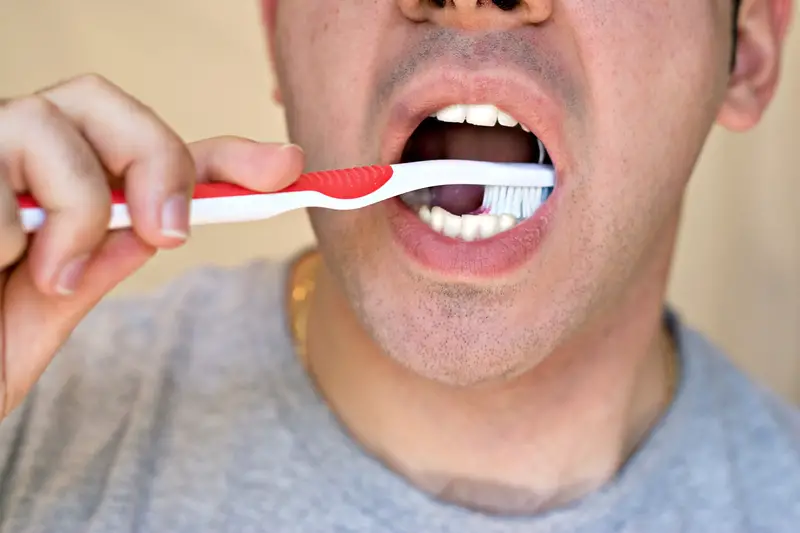
Most people think they have their brushing routine down pat. Wake up, squeeze some toothpaste, scrub for two minutes, and you’re done. But here’s the thing: what you do after brushing might actually be undoing all that hard work. Dentists around the world are speaking up about common habits that people need to stop immediately. Some of these mistakes might surprise you, and others might make you rethink everything you learned about oral care growing up.
Using mouthwash right after brushing washes away protection
You finish brushing, reach for the mouthwash, and swish away. It feels like the perfect end to your routine, right? Wrong. A London-based dentist named Anna Peterson went viral on TikTok for explaining why this habit is actually bad for your teeth. The toothpaste you use contains about 1450ppm of fluoride, which is the perfect amount to protect your teeth from decay. But most mouthwash only has about 220ppm of fluoride. That’s a huge difference.
When you rinse with mouthwash right after brushing, you’re basically trading high-strength protection for low-strength protection. All that beneficial fluoride from your toothpaste gets washed right down the drain. This doesn’t mean you should throw out your mouthwash. Instead, use it at a different time, like after lunch when you can’t brush. That way, you get the benefits without losing the good stuff from your toothpaste.
Rinsing your mouth with water cancels out your efforts
This one might make you feel a little uncomfortable at first. Many people rinse their mouth with water after brushing because it feels strange to leave toothpaste residue behind. But dentists say you should actually just spit out the excess toothpaste and leave it at that. The fluoride in your toothpaste needs time to sit on your teeth and do its job. When you rinse with water, you’re removing that protective layer before it has a chance to work.
Peterson addressed this concern when TikTok users asked about it. She explained that rinsing with water is better than rinsing with mouthwash, but not rinsing at all is best. Just brush, spit, and walk away. It might feel weird for the first few days, but your teeth will thank you. The fluoride left behind helps strengthen your enamel and fight off bacteria throughout the day or night.
Brushing immediately after vomiting damages your enamel
When you get sick, the first thing you probably want to do is brush that awful taste out of your mouth. It seems like the logical response. But dentists strongly advise against this instinct. Your stomach acid is incredibly powerful, and when you vomit, that acid coats your teeth. This acid actually softens and dissolves the outer layer of your teeth, which is called enamel. If you brush while your teeth are in this softened state, you’re essentially scrubbing the acid deeper into your teeth.
Dr. Diana Nguyen, who works at UCSF School of Dentistry, explains that brushing after vomiting spreads the acid around to more of your enamel. This can strip layers off your teeth and make them appear more yellow over time. Instead, she recommends making a simple rinse at home. Mix a teaspoon of baking soda into a cup of water, swish it around, and spit it out. This helps neutralize the acid and protects your teeth until you can safely brush.
Brushing right after breakfast puts acid into your teeth
Many people brush their teeth after eating breakfast because it makes sense to start the day with a clean mouth. But here’s what actually happens when you eat: the bacteria in your mouth feed on the food you consume and produce acid as a result. This acid lowers the pH level in your mouth, making it an acidic environment. When you brush immediately after eating, you’re basically rubbing that acid into your tooth enamel. This can cause erosion over time.
Dr. Shaadi Manouchehri, a London dentist whose video got over 12 million views on TikTok, recommends waiting at least 30 to 60 minutes after eating before brushing. Your saliva naturally neutralizes the acid in your mouth during this time. If you want to freshen up right after breakfast, try drinking water or using mouthwash instead. Or, you could simply brush before breakfast and then just rinse with water after eating.
Eating sweets and brushing right away backfires
You might think that brushing immediately after eating candy or drinking soda is being responsible. After all, sugar is bad for teeth, so getting rid of it quickly seems smart. But the same acid rule applies here. Anything with sugar, including soft drinks, sports drinks, sour candies, and citrus juices, increases the acid levels in your mouth. When you brush right after, you’re working that acid into your teeth instead of letting it naturally clear away.
The Mayo Clinic recommends waiting at least an hour after eating sweets before brushing your teeth. During that time, your mouth will naturally wash away the acid. If you’ve just had a can of Coke or some gummy bears, the best thing to do is drink a glass of water. The water helps rinse off the unwanted acid without the damage that brushing could cause. After an hour passes, you can safely brush your teeth.
Carbonated drinks call for a waiting period too
Even if a drink doesn’t contain sugar, it can still be acidic. Carbonated beverages like sparkling water, diet sodas, and club soda all have a low pH level because of the carbonation process. This means they can soften your enamel just like sugary drinks do. Many people assume that because they’re drinking a zero-calorie sparkling water, it’s totally fine for their teeth. But the fizz itself creates an acidic environment in your mouth.
Dr. Beth Caunitz, a dentist in New York City, warns that people should avoid brushing right after having any carbonated beverage. The acid from the bubbles has the same effect on your enamel as other acidic foods and drinks. Her advice is simple: drink water afterward to help rinse your mouth. Wait at least 30 minutes before reaching for your toothbrush. This gives your mouth time to return to a normal pH level.
Ignoring blood in the sink is a big mistake
Have you ever spit into the sink after brushing and noticed a little pink mixed in with the foam? Many people see this and shrug it off as no big deal. Maybe they brushed too hard, or maybe they haven’t flossed in a while. But according to dental experts, seeing blood regularly should not be ignored. It could be a warning sign that something more serious is going on with your gums.
Dr. Deepa Chopra of Whites Dental says that bleeding gums could mean you have inflammation from plaque buildup around your gum line. When plaque isn’t removed properly, it irritates the gums. Over time, this can lead to gingivitis, which is the earliest stage of gum disease. Left untreated, it can get worse and cause bone loss or tooth loss. So if you see blood when you brush, don’t assume you need to brush less. You might actually need to improve your technique.
Brushing too hard causes more problems than you think
Some people think that brushing harder means cleaner teeth. It makes sense on the surface: more pressure equals more scrubbing power. But this approach can actually do serious damage. Aggressive brushing with hard-bristled brushes can wear down your enamel and injure your gums. Instead of getting cleaner teeth, you end up with sensitive teeth and receding gums. It’s one of the most common mistakes people make.
Dr. Chopra recommends using a soft-bristled toothbrush and a gentle circular motion. She warns that scrubbing hard might feel like you’re doing a deep clean, but it could damage your gums and enamel over time. Think of it like washing a delicate dish. You don’t need to scrub it with steel wool to get it clean. A gentle approach works just as well and keeps everything intact for much longer.
Skipping the dentist makes small problems become big ones
It’s easy to put off dental visits when nothing seems wrong. If your teeth don’t hurt and your breath smells fine, why bother going? But dentists can spot problems that you can’t see or feel. Early signs of gum disease, tiny cavities, and enamel erosion are often invisible to the average person. By the time you notice something is wrong, the problem has usually gotten much worse and more expensive to fix.
Regular checkups allow your dentist to catch issues before they become serious. Dr. Chopra emphasizes that early detection of gum issues can be crucial. It might save you from future pain and expense down the road. Even if you feel like your teeth are in great shape, a professional cleaning and examination twice a year can make a real difference. Think of it as maintenance for your mouth, just like you’d service your car to prevent breakdowns.
Taking care of your teeth isn’t just about brushing twice a day. It’s also about what you do after you put down the toothbrush. From avoiding mouthwash right after brushing to waiting before you scrub following a meal, these small changes can protect your teeth for years to come. Pay attention to what your mouth is telling you, whether it’s bleeding gums or acid buildup. Your future self will appreciate the effort you put in today.

