

Most home cooks unknowingly commit knife crimes every single day. These sharp tools that we depend on for meal prep are getting duller, damaged, and destined for the trash bin because of simple mistakes that happen in kitchens across America. The good news? Once you know what you’re doing wrong, fixing these habits takes almost no extra effort but will keep your knives performing like new for years to come.
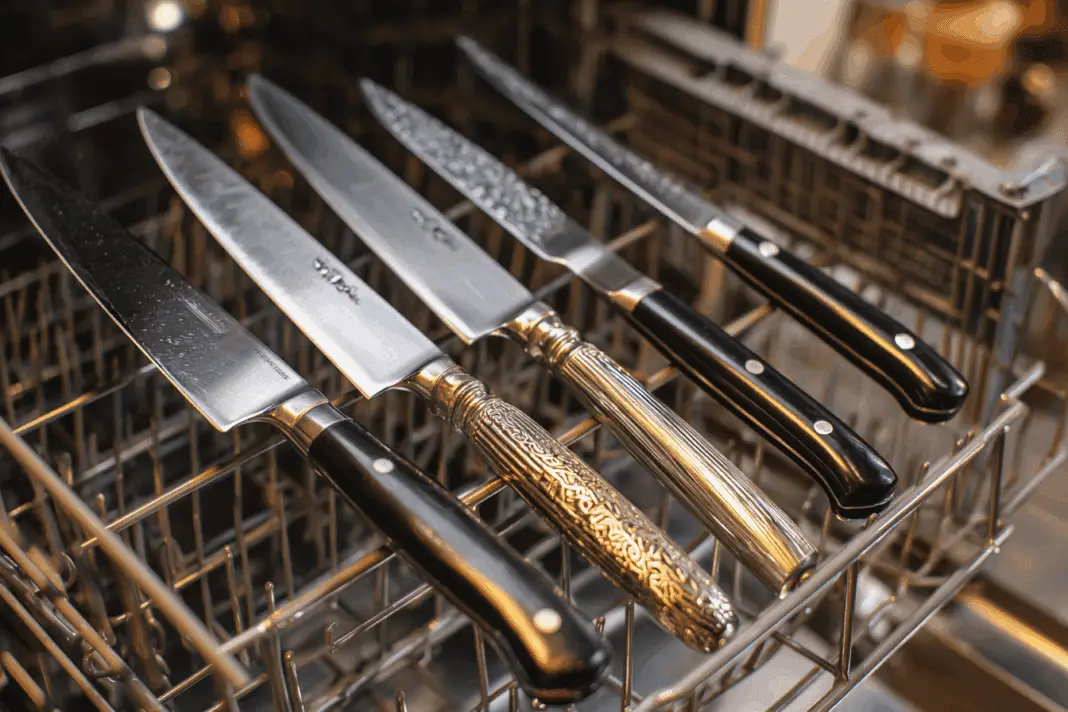
Throwing knives in the dishwasher ruins everything
That convenient dishwasher cycle you love so much is actually your knife’s worst enemy. The combination of scalding hot water, harsh detergents, and high-pressure spray creates the perfect storm for blade destruction. During the wash cycle, knives bang against other utensils and dishware, creating tiny nicks and chips that add up over time. The intense heat can also warp handles, especially on knives with wooden or composite grips.
Hand washing takes less than a minute and makes all the difference in the world. Use warm soapy water and a soft sponge to gently clean both the blade and handle, then dry immediately with a clean towel. This simple step prevents water spots and rust while keeping your knives in prime condition. Many people think they’re saving time, but replacing dulled knives costs way more than the extra 30 seconds of hand washing.
Glass cutting boards are blade killers
Those sleek glass cutting boards might look amazing in your modern kitchen, but they’re absolutely brutal on knife edges. Glass is incredibly hard and offers zero give when the blade hits the surface. Every single chop, slice, and dice motion sends shock waves up through the blade, quickly dulling the edge and making cutting feel like work instead of effortless gliding. Some people also make the mistake of cutting directly on granite countertops or ceramic plates, which cause the same damage.
Wood and plastic cutting boards are much more forgiving surfaces that actually help preserve sharpness. Wood has natural self-healing properties and some antibacterial benefits, while plastic boards are dishwasher-safe and affordable to replace. These materials provide just enough give to cushion the blade impact without being so soft that they harbor bacteria or become difficult to clean. The investment in proper cutting boards pays for itself by extending knife life significantly.
Storing knives loose creates constant damage
Tossing knives into a drawer with other utensils is like putting them in a blender every time you open and close it. The blades constantly clash against spoons, forks, can openers, and each other, creating microscopic damage that accumulates into serious dullness. Even worse, reaching into a cluttered drawer full of sharp objects is a recipe for accidents. Many people end up with cut fingers simply because they couldn’t see where the blade edges were among all the kitchen chaos.
Proper storage solutions keep blades protected and easily accessible. Knife blocks provide individual slots for each blade, while magnetic strips mounted on walls offer convenient storage without taking up counter space. For drawer storage, individual knife guards cover each blade to prevent damage and accidents. These storage options might seem like extra expense, but they’re much cheaper than constantly replacing damaged knives or dealing with emergency room visits from drawer-diving mishaps.
Using knives for random tasks destroys them
Kitchen knives seem so versatile that many people use them for everything except actual food cutting. Opening packages, prying apart frozen foods, scraping burnt bits off pans, opening cans, or cutting through bones all seem reasonable in the moment. However, these tasks put stress on the blade in ways it wasn’t designed to handle. The thin, sharp edge that makes knives perfect for slicing vegetables becomes a liability when forced against hard surfaces or twisted in ways that can chip or bend the metal.
Each knife type has specific jobs it excels at, and staying within those boundaries preserves both sharpness and safety. Chef knives handle most vegetables and boneless meats perfectly, while paring knives work great for small, detailed tasks. Using appropriate tools for non-cutting tasks saves your knives for what they do best. Keep a separate tool kit with can openers, package scissors, and scrapers so you’re never tempted to grab the nearest knife for inappropriate jobs.
Ignoring sharpening makes everything harder
Dull knives are not only frustrating to use but actually more dangerous than sharp ones. When blades lose their edge, they require more pressure to cut through food, which increases the chances of slipping and cutting yourself instead. Many home cooks just accept that knives get dull over time and struggle through meal prep with blades that crush tomatoes instead of slicing them cleanly. This makes cooking feel like a chore and often results in unevenly cut food that doesn’t cook properly.
Regular maintenance keeps knives performing at their peak with minimal effort. A honing steel realigns the edge between uses, while whetstones actually sharpen the blade by removing small amounts of metal. Most knives benefit from honing every few weeks and proper sharpening every few months, depending on usage. Professional sharpening services are also available at many farmers markets and kitchen stores for those who prefer not to do it themselves.
Leaving food residue causes permanent stains
Rushing through cleanup often means leaving traces of food on knife blades for hours or even overnight. Acidic foods like tomatoes, citrus fruits, and onions are particularly problematic because their acids can actually etch into the metal, causing permanent discoloration and tiny pits in the surface. Even seemingly harmless foods can leave residues that attract bacteria or create stubborn stains that never fully wash away. These stains aren’t just cosmetic problems – they can also affect how smoothly food slides off the blade during cutting.
Cleaning knives immediately after use prevents most staining and corrosion issues. A quick rinse removes food particles, followed by gentle washing with mild soap and immediate drying. Avoid abrasive pads that can scratch the blade surface and create more places for stains to develop. This habit takes virtually no extra time but keeps knives looking and performing like new for much longer than neglected blades that sit dirty between meals.
Air drying leads to water spots and rust
Many people wash their knives properly but then leave them on the counter or in the dish rack to air dry. While this seems logical, water spots and mineral deposits from tap water can build up on the blade, creating a cloudy appearance that’s difficult to remove. More seriously, any moisture left on the blade, especially in humid environments, can lead to rust formation. Even stainless steel knives can develop rust spots if consistently exposed to moisture, and high-carbon steel blades are even more susceptible to corrosion.
Immediate drying with a clean towel prevents water-related damage and keeps blades spotless. Pay special attention to the area where the blade meets the handle, as water often collects there and can cause problems with both metal and handle materials. Proper drying techniques also give you a chance to inspect the knife for any damage or food residue you might have missed during washing. This simple step takes seconds but dramatically extends knife life and appearance.
Scraping with the blade edge dulls knives fast
After chopping vegetables or herbs, the natural impulse is to use the knife blade to scrape everything off the cutting board and into the pan or bowl. This seems efficient and keeps your hands clean, but dragging the sharp edge across the cutting board surface is one of the fastest ways to dull a blade. Each scraping motion is like running the knife through a sharpener backward, gradually wearing away the precise edge that makes clean cutting possible. Even soft cutting boards cause damage when the blade is used this way repeatedly.
Flipping the knife over and using the spine (the dull back edge) for scraping protects the cutting edge completely. This simple technique change costs nothing and prevents unnecessary dulling while still allowing efficient ingredient transfer. Using the spine becomes second nature after just a few cooking sessions and works just as well for moving food around. Some cooks also keep a bench scraper specifically for this purpose, which works even better than the knife spine for large quantities of chopped ingredients.
Humid storage environments cause hidden damage
Storing knives in damp locations like under-sink cabinets or in poorly ventilated drawers creates perfect conditions for corrosion and handle deterioration. High humidity levels encourage rust formation on blades and can cause wooden handles to swell, crack, or develop mold. Even synthetic handle materials can degrade faster in consistently moist environments. Many people don’t realize their storage area has humidity problems until they notice rust spots or handle damage that seems to appear from nowhere.
Well-ventilated, dry storage areas keep knives in optimal condition year-round. Avoid storage locations near dishwashers, sinks, or anywhere steam and moisture regularly accumulate. Proper storage locations help maintain both blade sharpness and handle integrity for the life of the knife. If your kitchen tends to be humid, consider using moisture-absorbing packets in storage areas or ensuring knives are completely dry before putting them away.
Taking care of kitchen knives doesn’t require special skills or expensive tools – just awareness of what damages them and simple habit changes that become automatic over time. These small adjustments in how you use, clean, and store your knives will keep them sharp, safe, and ready for whatever cooking challenges come your way.

